Foresight empowers leaders to anticipate change, act with clarity, and guide their organizations toward sustained growth. By combining awareness, adaptability, and purpose-driven decision-making, executives can transform uncertainty into opportunity and lead their teams with confidence in an ever-evolving business landscape.
How do confident leaders always seem to stay ahead of change? The secret often lies in foresight, a quality that allows them to notice subtle shifts, connect emerging trends, and prepare for new possibilities with confidence. This proactive mindset separates those who simply manage change from those who lead it.
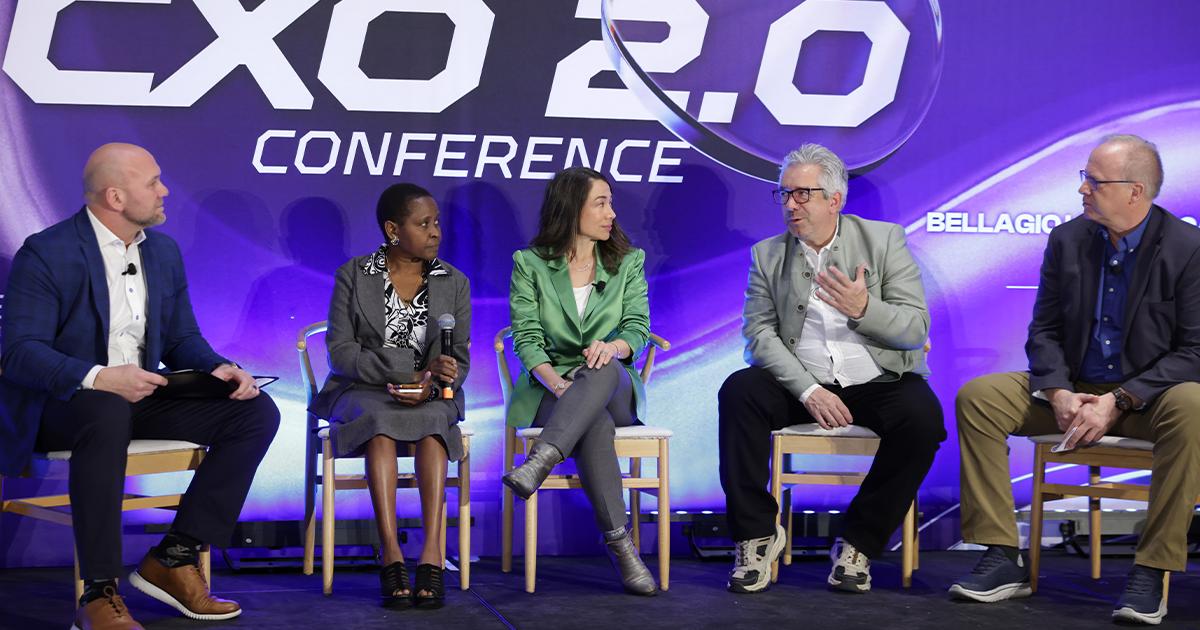
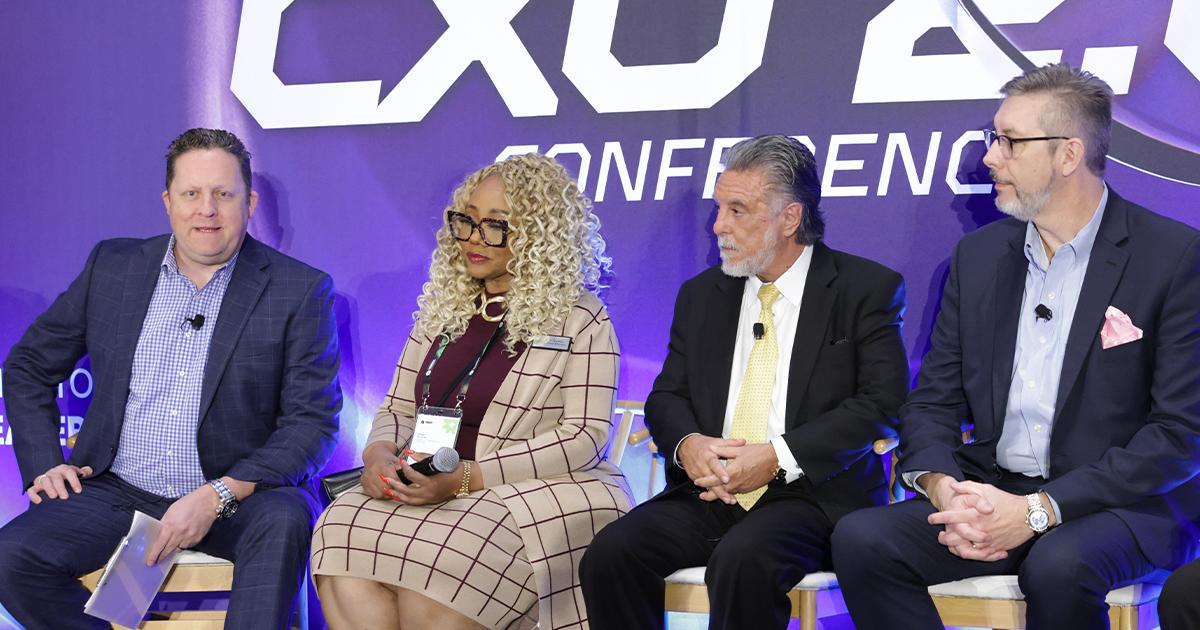
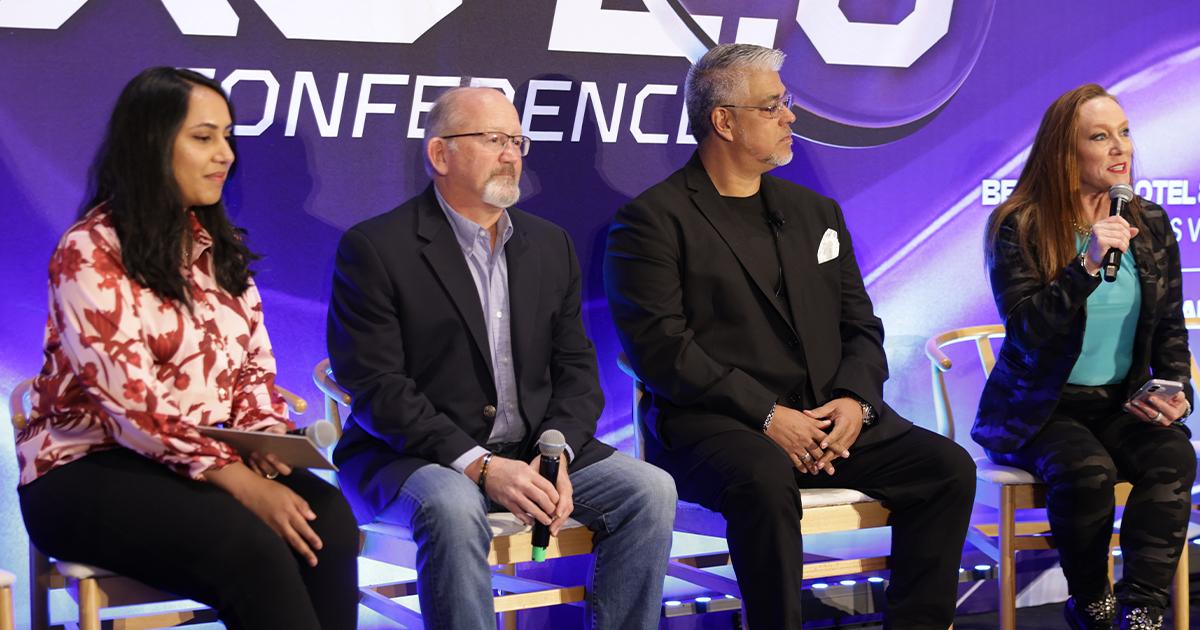
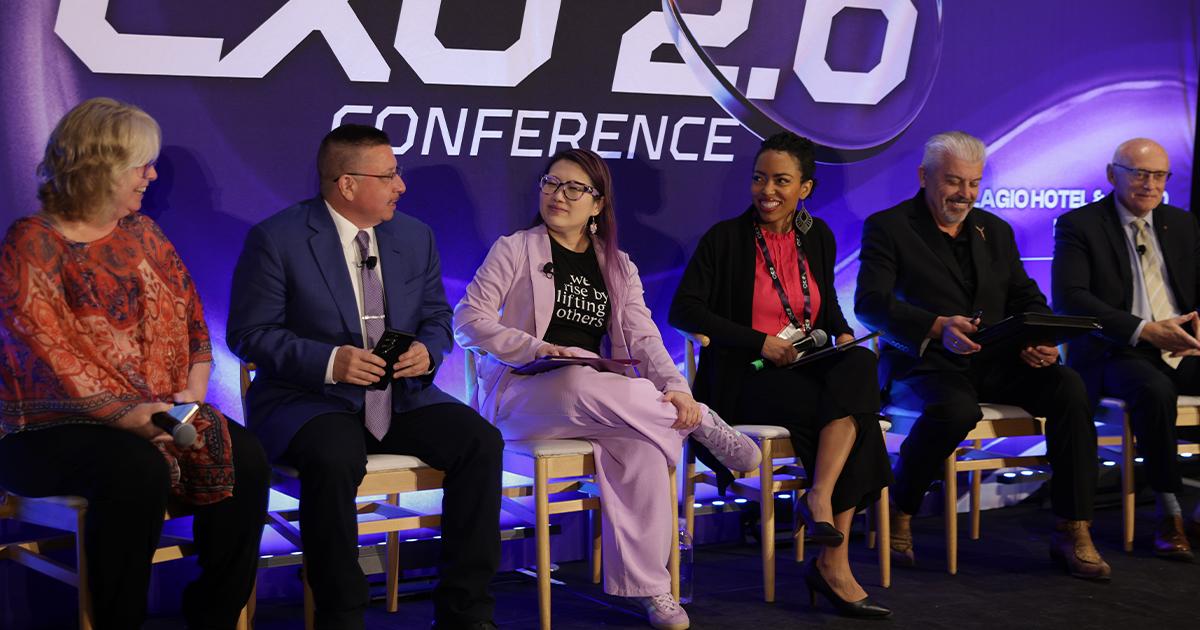
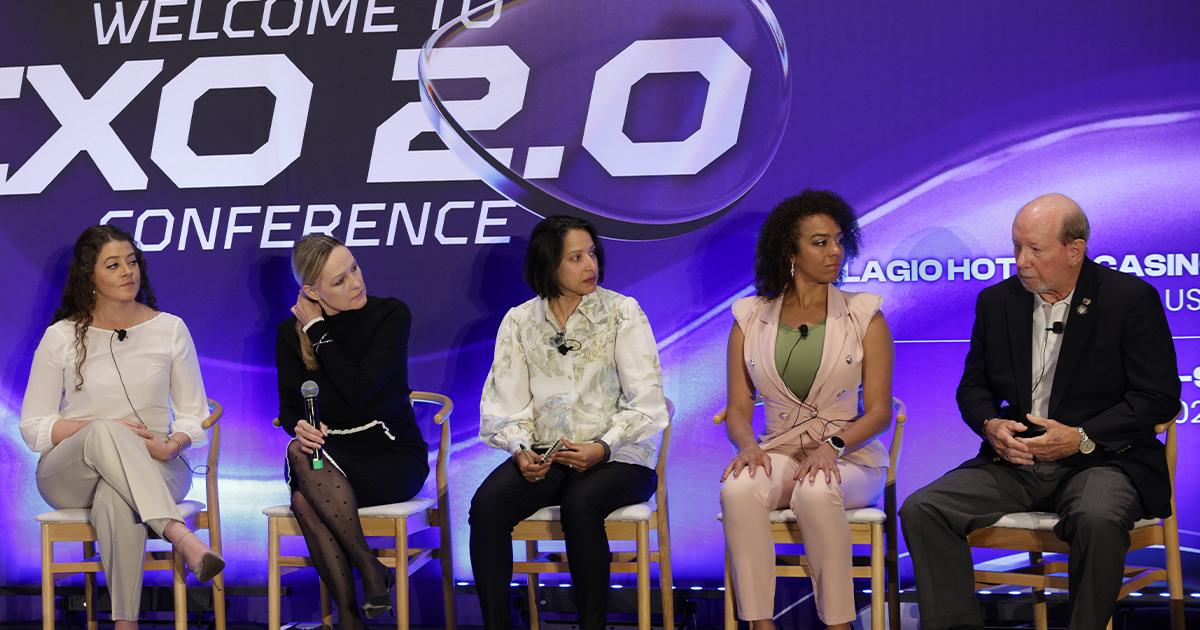
At our leadership conference, this idea of forward thinking often takes center stage as executives explore how awareness and anticipation can power innovation and long-term success. The CXO 2.0 Conference continues this conversation by highlighting global leaders who use foresight to turn uncertainty into strategy and vision into measurable impact.
When leaders commit to developing foresight, they position their organizations to thrive no matter how the market evolves. The question is, how can today’s CXOs strengthen this skill and lead with a clear view of what lies ahead?
TL;DR – Key Takeaways On Leading With Foresight
- Identify early shifts before they disrupt your strategy.
- Plan multiple scenarios to stay ready for any outcome.
- Blend data with intuition for confident decision-making.
- Empower teams to move quickly while staying aligned.
- Lead with purpose to maintain clarity through change.
Why Foresight Is The Cornerstone Of Modern Leadership
Strong leadership today is defined by vision, adaptability, and the ability to anticipate what comes next. According to Harvard Business Publishing’s 2024 Global Leadership Development Study , over 70% of senior leaders believe strategic foresight is essential for future success. This growing recognition reflects a shift toward leaders who can connect immediate actions with long-term strategy and guide their organizations through constant change.
Foresight enables executives to identify early signals, interpret emerging trends, and prepare for multiple outcomes with confidence. It transforms uncertainty into opportunity by promoting innovation, resilience, and readiness. The most effective leaders understand that foresight is not about predicting every turn of the market but about preparing with clarity and purpose so their organizations are always positioned to lead what comes next.
-
Identifying Market Signals Before They Escalate
Change rarely arrives without warning. Early clues often appear as subtle shifts in customer expectations, digital habits, or policy landscapes. Leaders who pay attention to these signs gain the advantage of time and perspective.
Effective ways to identify emerging market movements include:
- Environmental Intelligence Networks: Implement monitoring systems that capture real-time signals from customers, competitors, and global markets. This data helps leadership detect potential inflection points early.
- Cross-Industry Learning: Study innovation patterns in unrelated sectors to anticipate disruptions that could cross over into your industry. A trend in fintech, for example, might soon redefine customer engagement in retail or healthcare.
- Internal Insight Forums: Encourage employees to share frontline observations from clients and operations. Insights from within often reveal shifts that broader analyses overlook.
Leaders who stay curious and aware are rarely surprised by change. They know how to spot patterns early, connect insights, and act with clarity. At our leadership summit, this mindset takes the spotlight, inspiring leaders to turn awareness into meaningful action that keeps their organizations ahead of the curve.
-
Turning Insight Into Actionable Scenarios
Recognizing change is one thing; preparing for it is another. Scenario planning allows CXOs to test their strategies against multiple possible futures and build flexibility into every decision.
At the CXO 2.0 Conference, executives often discuss how structured foresight exercises transformed their ability to act quickly during volatility. By exploring “what if” situations, they ensure their organizations can respond rather than react.
Approaches to transform insight into strategic advantage:
- Scenario Development Workshops: Conduct quarterly sessions that explore optimistic, moderate, and challenging future outcomes. These exercises reveal blind spots and spark creative responses.
- Predictive Data Modeling: Combine analytics and machine learning to forecast customer preferences, pricing shifts, and market entry timing with higher precision.
- Strategic Agility Frameworks: Design decision systems that allow budget, resource, or product adjustments within weeks instead of quarters.
When organizations imagine different futures in advance, change loses its power to destabilize. Leaders who master this approach can adapt faster and make confident decisions even amid uncertainty.
-
Balancing Data, Intuition, And Experience
In an age driven by analytics, intuition remains one of a leader’s most powerful tools. Data can illuminate patterns, but only human judgment can interpret them within context. Exceptional leaders merge facts with instinct, creating strategies that are informed yet imaginative.
Principles that align intelligence with intuition:
- Data-Driven Reflection: Analyze numbers through the lens of experience to understand not only what is changing but also why it matters.
- Collaborative Perspective Testing: Invite diverse opinions to challenge assumptions, ensuring decisions reflect a broad understanding of risk and opportunity.
- Conscious Decision Journaling: Encourage senior teams to document reasoning behind major choices to refine intuition through reflection over time.
When data meets discernment, foresight becomes multidimensional. Leaders who trust both numbers and instincts consistently find new pathways that others overlook.
-
Building Organizations That Respond, Not React
A visionary leader’s foresight has little impact if the organization cannot act quickly. Agility turns strategy into execution. Companies that empower teams to move fast while staying aligned with purpose outperform those that hesitate. At our leadership conference, leaders frequently share examples of businesses that have turned insights into action by empowering decision-making and fostering adaptability at every level.
Core enablers of organizational agility include:
- Empowered Decision Structures: Give regional or departmental leaders authority to implement market-driven adjustments without excessive approval cycles.
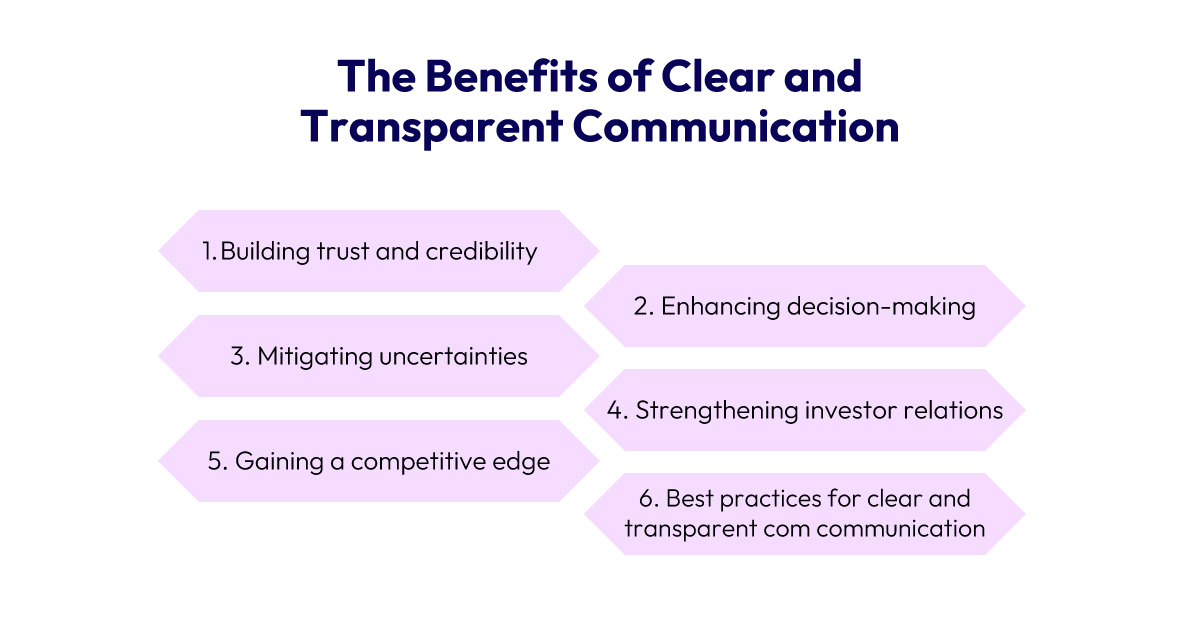
- Transparent Communication Channels: Maintain real-time alignment across global teams through structured updates and knowledge sharing.
- Culture Of Continuous Experimentation: Reward small-scale innovations that test new ideas, enabling faster validation and wider adoption when results succeed.
Organizations that build this level of agility turn disruption into opportunity. The result is a culture where action feels natural, innovation is continuous, and progress never pauses.
Source: Faster Capital
-
Leading With Purpose And Long-Range Vision
Purpose gives leadership its direction and meaning. When decisions are guided by a clear purpose, leaders can navigate uncertainty with focus and confidence. A long-range vision ensures that every action taken today contributes to sustainable growth and long-term success.
Key ways to strengthen purpose-driven leadership include:
- Define A Compelling Mission: Establish a vision that unites people around a shared goal and connects the organization’s work to a broader impact.
- Lead With Authenticity: Demonstrate consistency between words and actions to build trust, inspire loyalty, and reinforce credibility across the organization.
- Align Strategy With Values: Ensure that every initiative, partnership, and innovation supports the principles that define the organization’s identity.
Leaders who align vision with purpose create more than short-term success — they shape a culture that endures. At our leadership summit, this mindset takes center stage, showing how clarity of purpose turns leadership into a lasting force for progress.
The Final Word: Insights From The Leadership Summit
The future belongs to leaders who act with clarity, agility, and foresight. Those who anticipate shifts, rather than react to them, guide their organizations toward growth and resilience. At our leadership conference in Vegas, this vision comes alive through conversations on how proactive thinking fuels innovation and adaptability. The CXO 2.0 Conference carries that momentum forward, showcasing leaders who turn insight into meaningful action and inspire others to do the same. Leadership today is about more than navigating change; it is about shaping the future with confidence, purpose, and vision.
FAQs
1. How can leaders develop foresight as a daily practice?
A. Start by setting aside time each week to review emerging trends, read industry reports, and discuss observations with peers. Over time, this habit sharpens awareness and helps leaders anticipate rather than react to change.
2. What tools can executives use to track early market signals?
A. Data visualization platforms, trend monitoring dashboards, and social listening tools can reveal subtle changes in customer behavior or sentiment. Combining these with regular internal discussions keeps insights actionable.
3. What role does emotional intelligence play in foresight?
A. Emotional intelligence helps leaders interpret human behavior behind the data. By understanding people’s motivations and concerns, CXOs can make more accurate and empathetic predictions about future shifts.
4. When and where are the upcoming editions scheduled for the CXO 2.0 Conference?
A. The next editions will take place at Bellagio Hotel & Casino, Las Vegas, USA in April 2026. Each event gathers global leaders for three days of insights, networking, and collaboration.
5. Who attends the CXO 2.0 Conference?
A. The audience includes CEOs, founders, investors, strategists, and senior decision-makers from diverse industries. It is ideal for professionals looking to connect with peers and gain global perspectives on leadership.