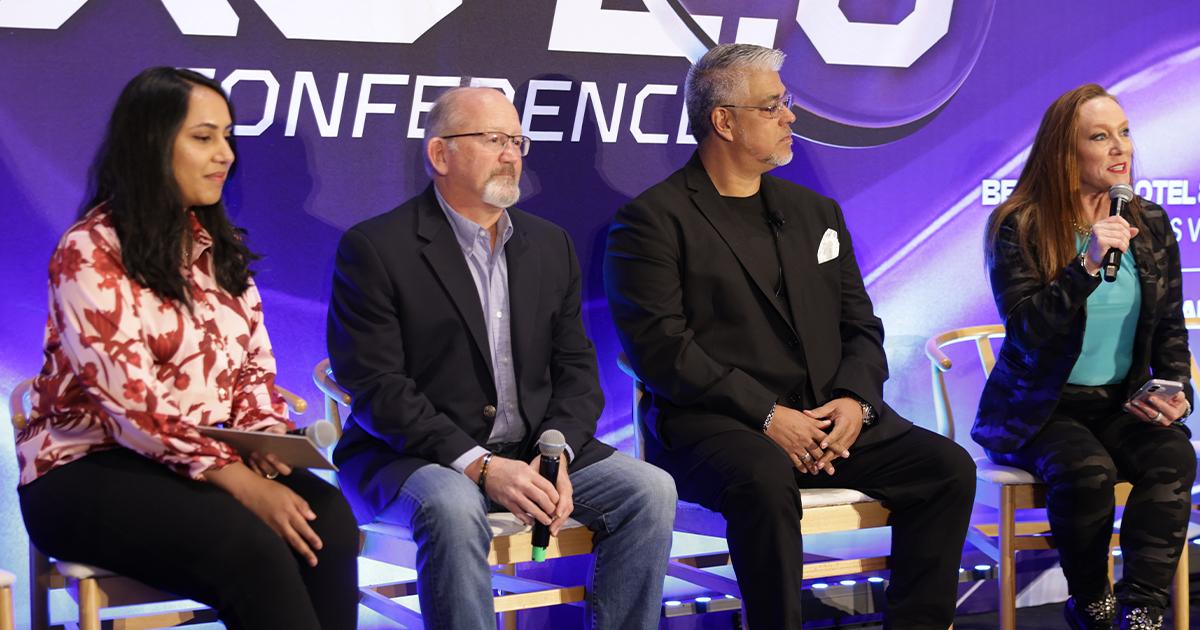
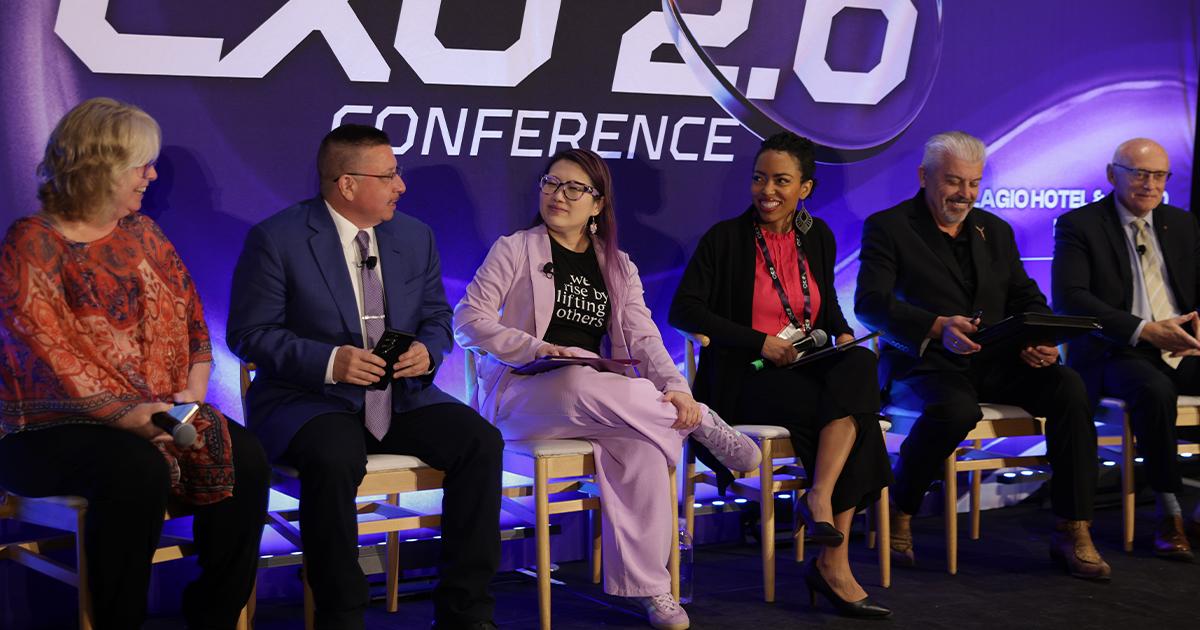
Artificial intelligence is no longer limited to isolated experiments or technology-focused initiatives. Organizations across industries are increasingly integrating AI into core business functions, decision-making processes, and long-term strategies. The conversation has shifted from whether companies should adopt AI to how they can build enterprises where AI becomes a fundamental part of daily operations. As this transformation accelerates, what role should CEOs play in guiding organizations through the complexities and opportunities of becoming AI-native?
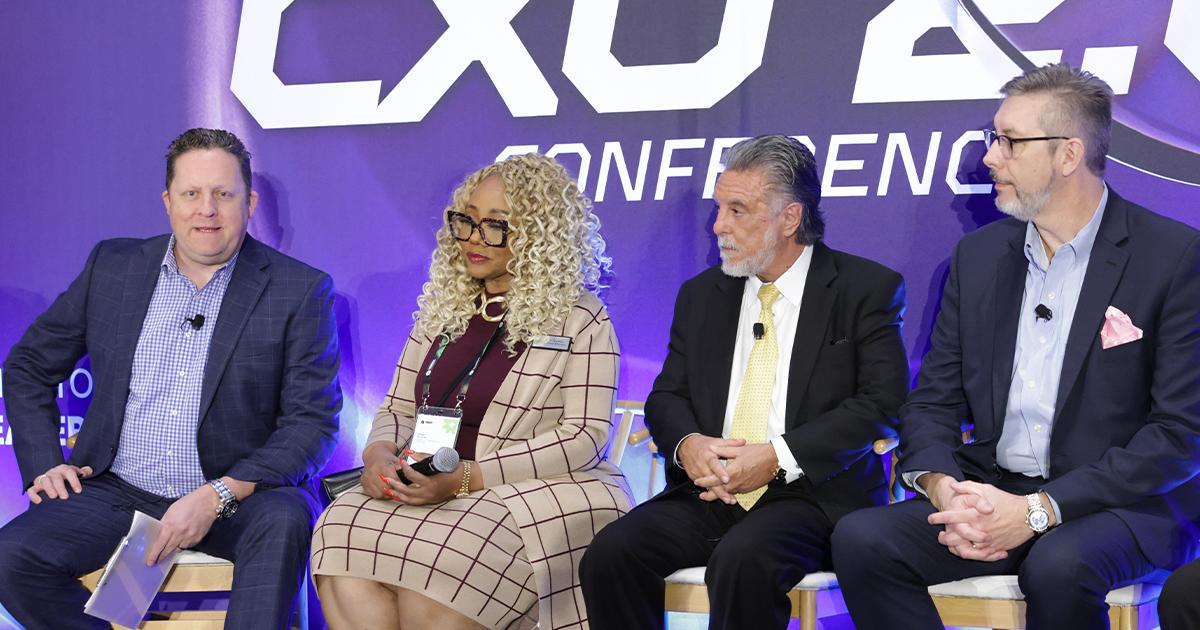
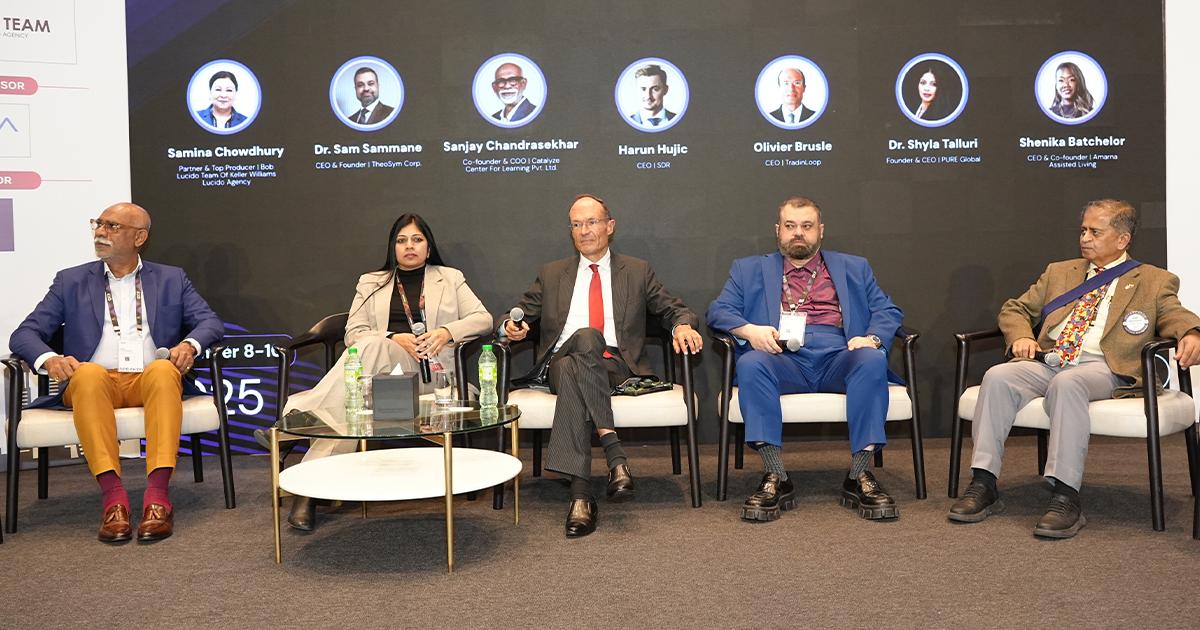
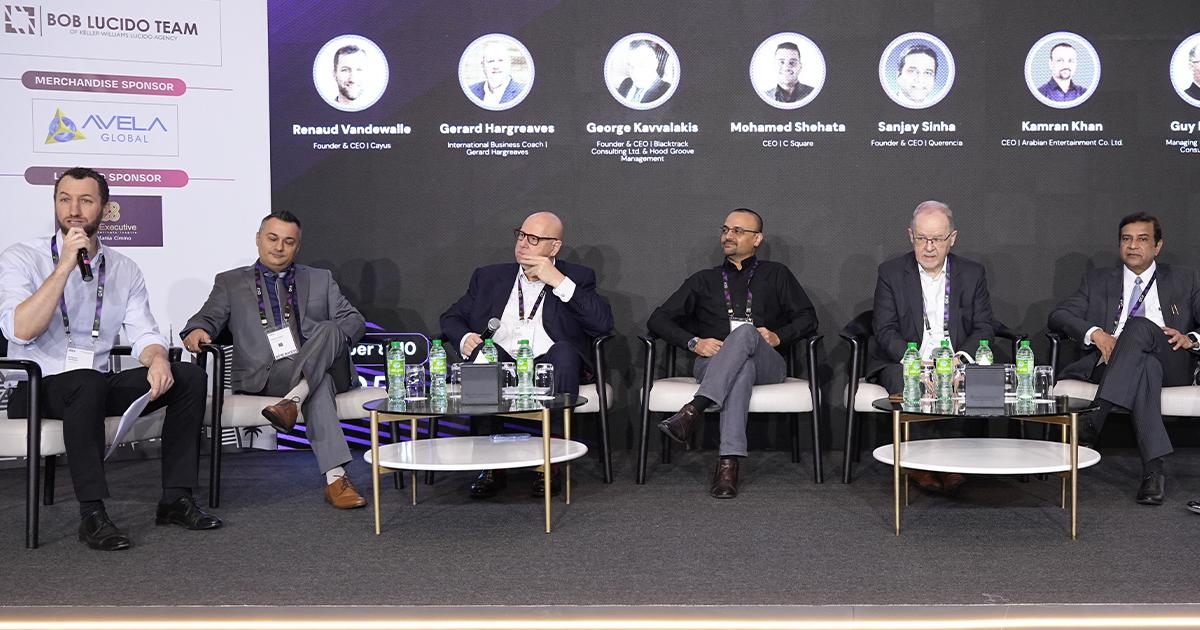
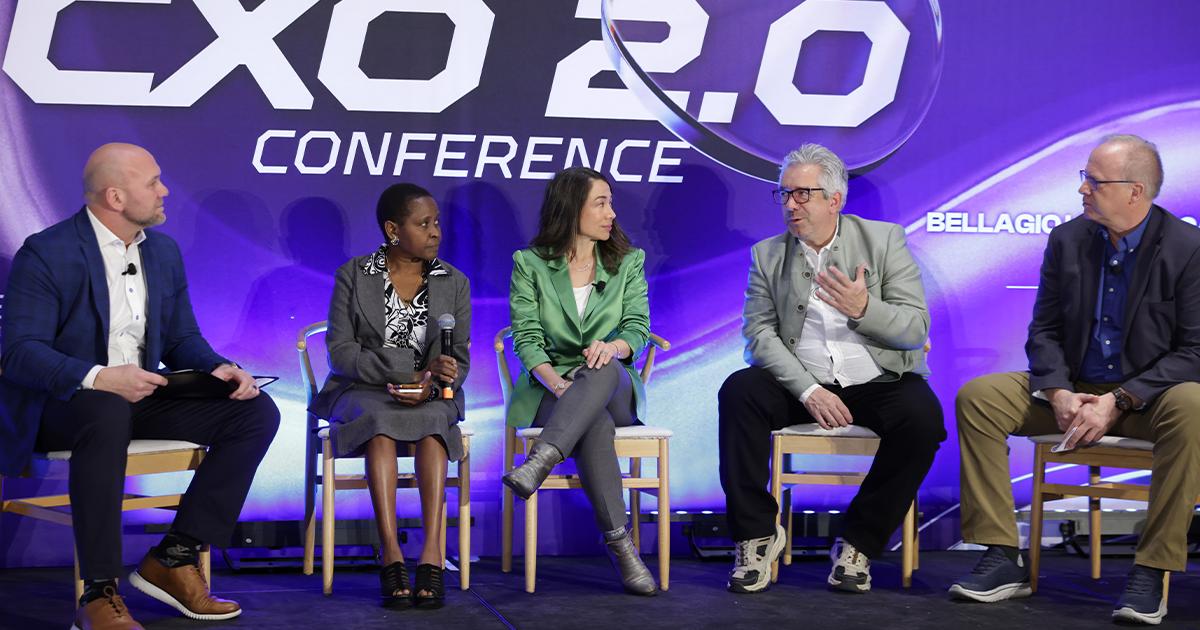
Leadership in an AI-native enterprise extends beyond technology implementation. CEOs are increasingly expected to align AI initiatives with business objectives, promote organizational readiness, and ensure that innovation is balanced with accountability. The evolving relationship between leadership and artificial intelligence continues to gain attention at global leadership summits of 2026, including the CXO 2.0 Conference, where business leaders examine emerging technologies, leadership priorities, and strategies shaping the future of enterprise management. To understand the CEO's role in this new business environment, it is important to examine what defines an AI-native enterprise and the leadership priorities that support its success.
TL;DR: Quick Recap
- AI-native enterprises integrate artificial intelligence into core business operations and decision-making.
- CEOs play a critical role in guiding AI adoption and organizational transformation.
- Leadership responsibilities increasingly include governance, talent development, and AI strategy.
- Organizations must balance innovation with ethical, operational, and regulatory considerations.
- AI-native leadership requires continuous learning, adaptability, and long-term strategic thinking.
What Defines An AI-Native Enterprise?
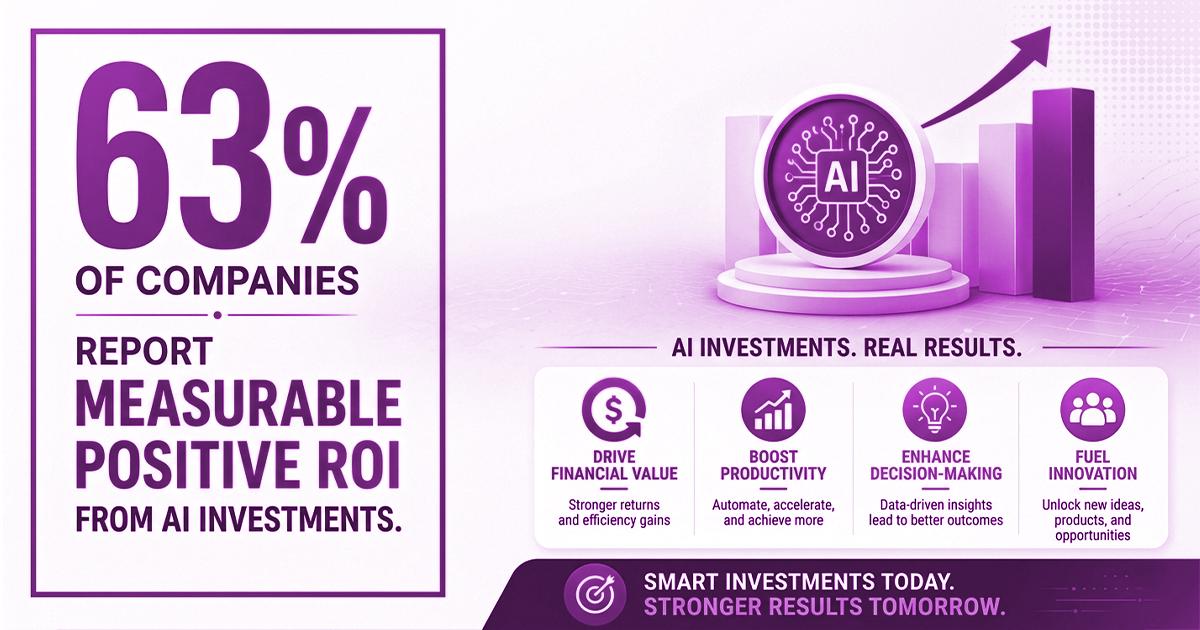
An AI-native enterprise is an organization that incorporates artificial intelligence into the foundation of how it operates, makes decisions, and creates value. Rather than treating AI as a standalone tool, these organizations integrate it across multiple functions to support efficiency, innovation, and business performance. According to McKinsey, 88% of organizations report regular use of AI in at least one business function, up from 78% a year earlier.
The growing integration of AI across business activities reflects a broader shift toward AI-native operating models. This transition is increasing the importance of executive leadership in guiding adoption, managing transformation, and aligning technology investments with organizational goals. Listed below are some of the characteristics that commonly define AI-native enterprises:
- AI Embedded In Core Operations: AI technologies are integrated into key business processes, helping organizations automate tasks, optimize workflows, and improve operational effectiveness.
- Data-Driven Decision-Making: Decisions are increasingly informed by data insights generated through advanced analytics and AI-powered systems.
- Continuous Learning & Adaptation: Organizations regularly refine processes, strategies, and technologies in response to evolving data, market conditions, and business needs.
- Human-AI Collaboration: Employees and AI systems work together to enhance productivity, support decision-making, and improve organizational outcomes.
- Scalable Digital Infrastructure: Strong digital foundations enable organizations to deploy, manage, and expand AI capabilities across departments and functions.
Source
How CEOs Influence The Success Of AI Initiatives
Successfully integrating AI into an organization often requires leadership that extends beyond technical expertise. CEOs play an important role in shaping how AI initiatives align with business priorities and organizational objectives. As organizations continue to incorporate AI into core business functions, executive leadership is becoming increasingly important in determining how these technologies are implemented and scaled across the enterprise.
This evolving leadership responsibility is also reflected in the themes explored at global leadership conferences and business events. Let us look at some of the factors that highlight the importance of executive leadership in this process:
-
Strategic Vision:
CEOs help establish a clear direction for how AI can support business goals and long-term growth. A well-defined vision can help organizations prioritize initiatives that deliver meaningful value rather than pursuing technology adoption for its own sake.
-
Organizational Alignment:
Executive leadership can encourage cross-departmental collaboration and ensure that AI initiatives support broader organizational priorities. This alignment can help reduce operational silos and improve coordination throughout implementation efforts.
-
Governance & Accountability:
Leaders help establish policies and frameworks that guide the responsible use of AI technologies. Clear governance structures can also support transparency and consistency as AI adoption expands across the organization.
-
Talent Development:
Organizations often require new skills and capabilities to support AI adoption, making workforce development an important leadership consideration. Investing in employee growth can help organizations adapt more effectively to evolving technological demands.
-
Change Management:
AI transformation can affect workflows, processes, and organizational culture, requiring leaders to guide employees through periods of change. Strong change management practices can help build confidence and encourage smoother adoption across teams.
The Leadership Challenges CEOs Must Address
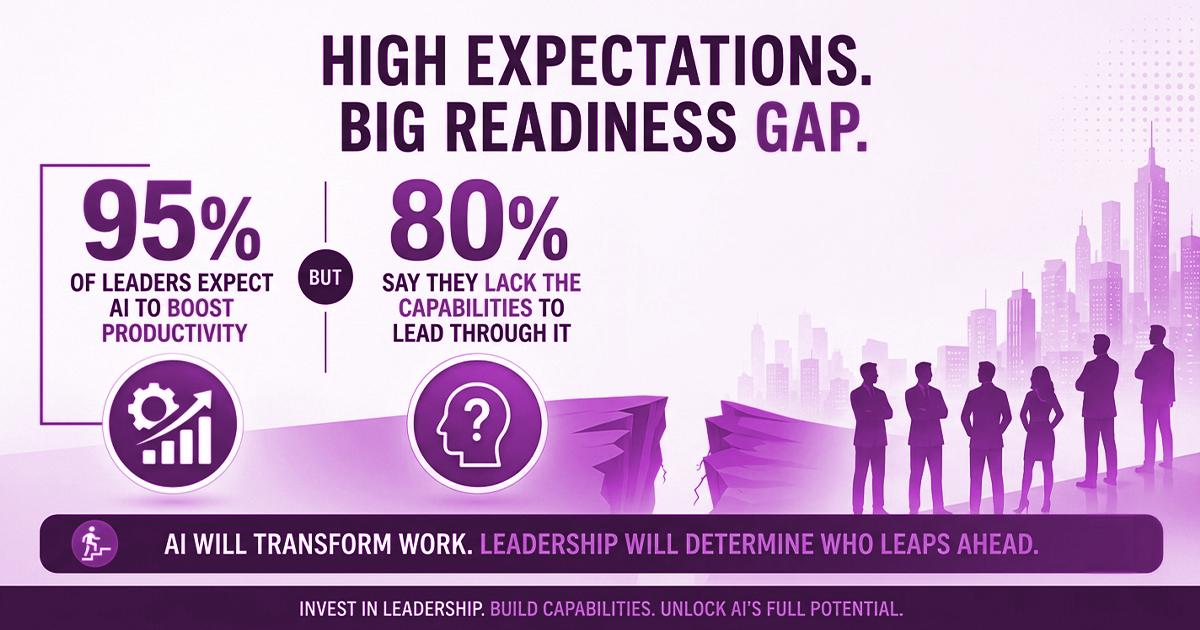
According to IBM, organizations commonly identify data quality and readiness, governance and security concerns, difficulties demonstrating return on investment (ROI), and skills gaps as among the most significant barriers to AI adoption. This highlights the need for strong leadership and strategic planning as organizations expand their AI initiatives.
- AI Governance & Compliance: Organizations must navigate evolving regulatory environments while maintaining accountability and transparency.
- Workforce Transformation: The introduction of AI can change job roles and skill requirements, creating a need for ongoing learning and workforce development.
- Data Quality & Accessibility: Reliable AI systems depend on accurate, consistent, and well-managed data.
- Cybersecurity Considerations: The growing use of AI technologies can introduce new security risks that require proactive management.
- Building Trust: Employees, customers, and stakeholders often expect clarity regarding how AI systems are developed, deployed, and used.
Source
The Future Belongs To Adaptive Leaders
The transition toward AI-native enterprises reflects a broader shift in how organizations approach leadership, innovation, and long-term value creation. Technology may provide new capabilities, but organizational success will often depend on how effectively leaders align those capabilities with people, strategy, and business objectives. CEOs who can promote adaptability, encourage responsible innovation, and build organizations prepared for continuous change may be better positioned to navigate future opportunities. These leadership priorities continue to shape executive agendas at many global business summits across Singapore in 2026, such as the CXO 2.0 Conference.
Professionals looking to better understand the leadership demands of AI-native enterprises can benefit from attending the upcoming Singapore Edition of the three-day leadership conference, scheduled for December 2–4, 2026. The event provides opportunities to learn from industry leaders, expand professional networks, and explore strategies that can help organizations adapt to a rapidly evolving business landscape. Interested attendees can purchase a pass directly through the official conference website.
FAQs
Q. Why are organizations becoming AI-native?
- Many organizations are integrating AI into core business functions to improve efficiency, support decision-making, enhance customer experiences, and strengthen competitiveness.
Q. How is an AI-native enterprise different from a company that uses AI?
- Organizations that use AI may apply it to specific tasks or projects, whereas AI-native enterprises integrate AI into multiple aspects of operations, strategy, and decision-making.
Q. How can I register for the CXO 2.0 Conference?
- Individuals interested in attending the Singapore Edition of the three-day leadership conference can purchase a pass directly through the official conference website, where information about participation options and event details is available.
Q. How can companies prepare employees for AI adoption?
- Organizations can invest in training programs, skills development initiatives, and change management strategies that help employees adapt to evolving technologies.
Q. What business events are happening in Singapore in 2026?
- Singapore is expected to host a wide range of leadership summits in 2026. Among the notable events is the Singapore Edition of the CXO 2.0 Conference. Attendees can use these events as opportunities to expand their professional networks, gain industry insights, and exchange ideas with peers across sectors.