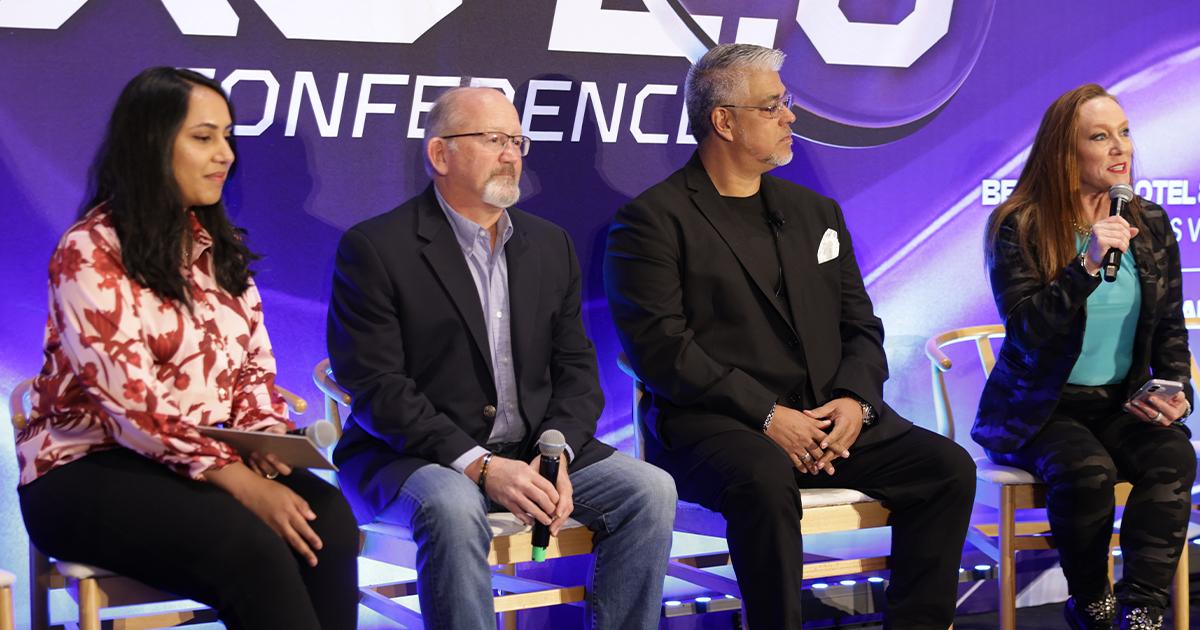
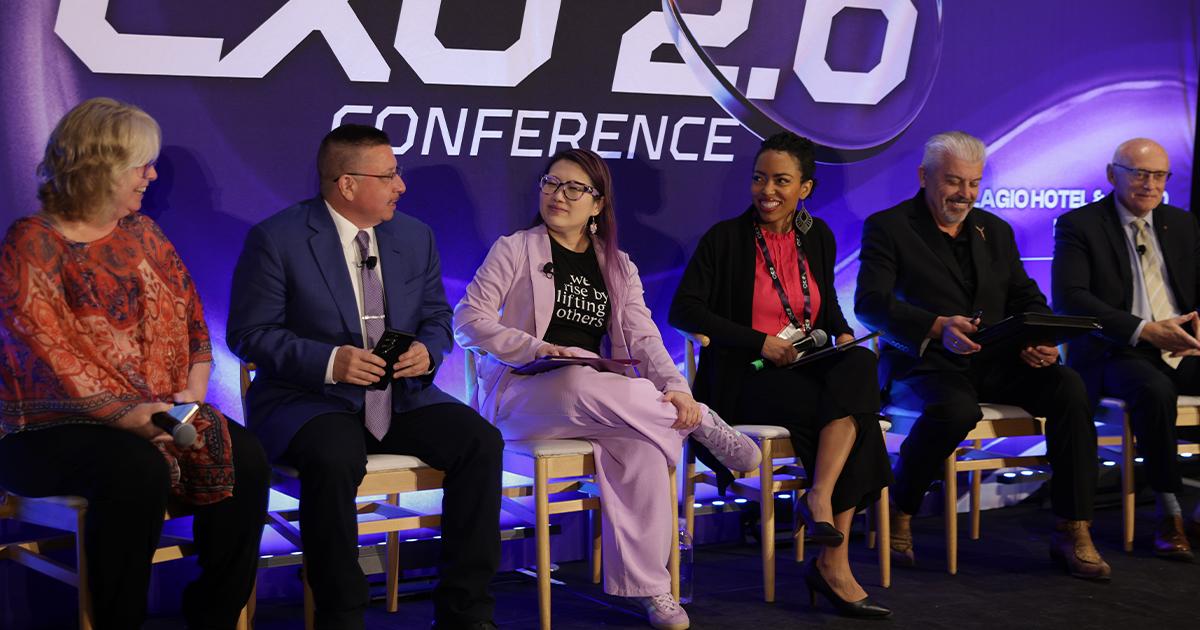
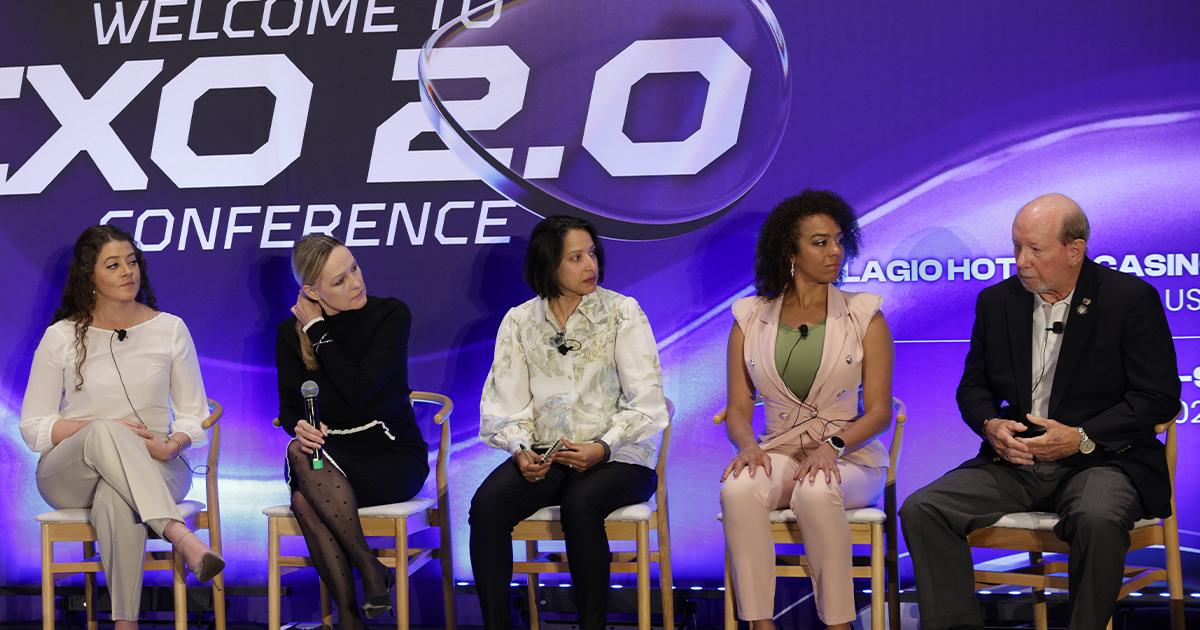
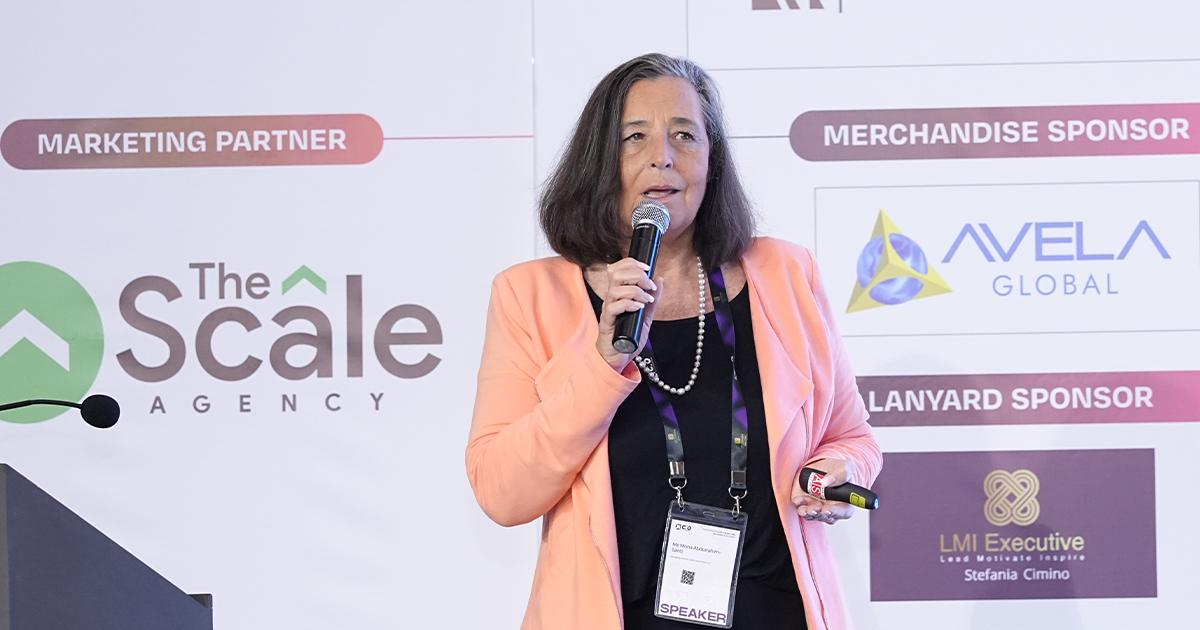
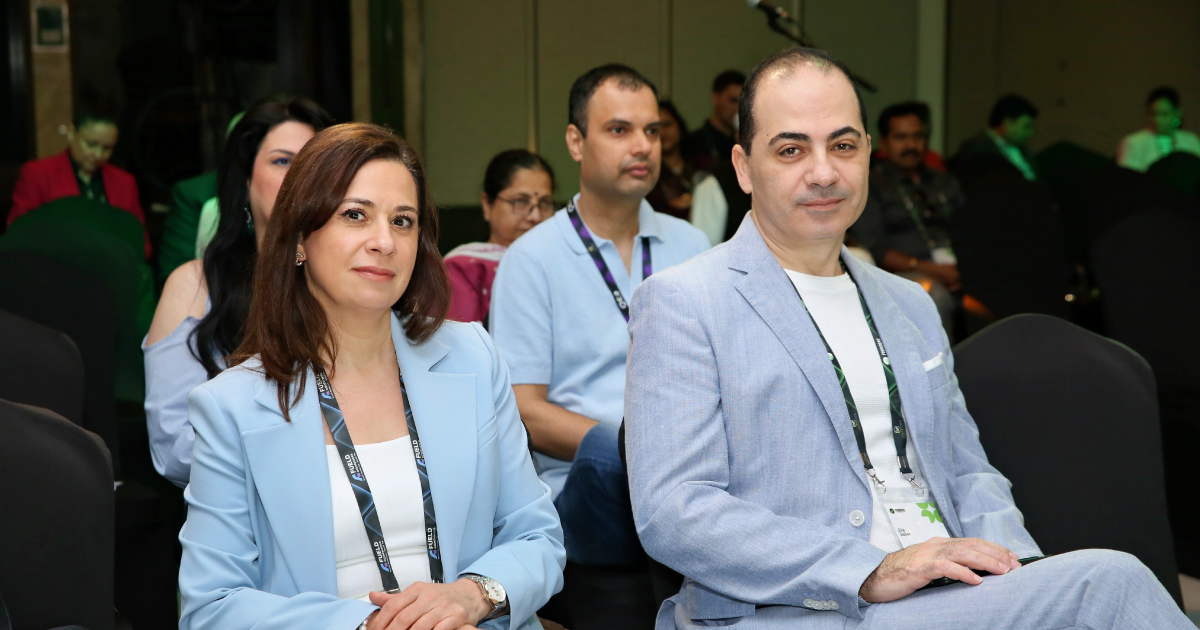
How do leaders build one cohesive organization when five generations bring five different sets of experiences, expectations, and ways of working? It is a question that many organizations are increasingly confronting as workforce demographics continue to evolve. For the first time in modern business history, many workplaces include professionals from the Silent Generation (in some organizations), Baby Boomers, Generation X, Millennials, and Generation Z, all contributing alongside one another.
This shift represents more than a demographic milestone. Employees now enter the workplace with different career expectations, communication preferences, technology experiences, and definitions of professional success. These differences influence how teams collaborate, how managers lead, and how organizations develop talent. As a result, managing a multigenerational workforce has become a strategic leadership priority rather than simply a human resources consideration. These evolving workforce dynamics continue to shape discussions at global leadership conferences in 2026.
TL;DR: Quick Takeaways
- Explores why organizations are employing five generations simultaneously.
- Examines the leadership challenges created by changing workforce demographics.
- Highlights practical leadership strategies for managing generational differences.
- Discusses how multigenerational teams can strengthen business performance.
- Explains why adaptable leadership is becoming a defining capability for modern organizations.
Why Multigenerational Workforces Are Becoming The New Normal
The presence of five generations in today's workforce is the result of several long-term demographic and economic changes rather than a temporary workplace trend. Organizations are navigating a workforce shaped by evolving career patterns, changing labor market demands, and continuous technological advancement. These developments have created workplaces where employees at very different stages of their careers contribute toward the same business objectives. These workforce trends are becoming a key focus at business leadership conferences and leadership seminars in 2026. Several factors have contributed to this shift, including:
- Longer Working Lives: Improvements in healthcare have enabled many professionals to remain active in the workforce for longer periods.
- Changing Retirement Patterns: Many experienced employees are choosing to extend their careers beyond traditional retirement ages, allowing organizations to retain valuable institutional knowledge.
- Entry Of New Generations: Younger professionals continue joining organizations with skills and perspectives shaped by rapid technological advancement and evolving educational experiences.
- Changing Labor Market Needs: Organizations are simultaneously preserving institutional knowledge, addressing skills shortages, and recruiting talent to support digital transformation and future business priorities.
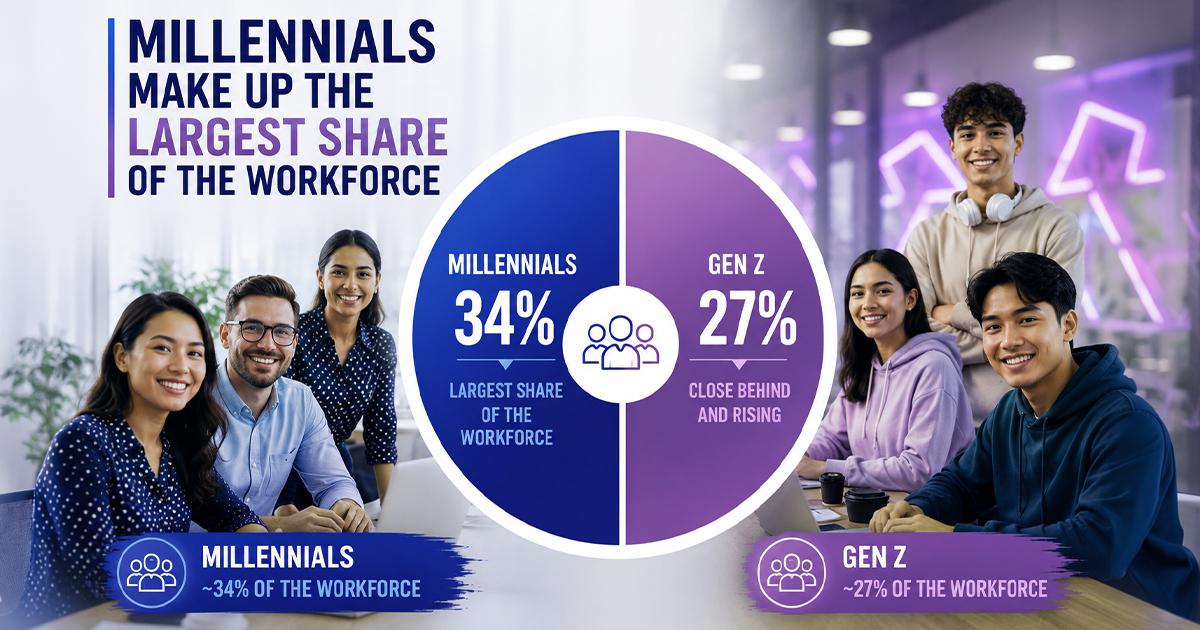
According to the World Economic Forum's Future of Jobs Report 2025, demographic change is among the major global trends expected to reshape labor markets by 2030, requiring organizations to rethink workforce planning, leadership development, and talent strategies. As a result, leaders must adopt management approaches that remain effective across a diverse workforce.
Source
Where Traditional Leadership Approaches Begin To Fall Short
Leading employees from different generations is not difficult because of age itself. The challenge arises when leadership practices assume that employees are motivated, communicate, learn, and develop in similar ways. As workforce diversity expands, standardized management approaches may no longer meet the needs of every employee or team. Leadership conferences and seminars are increasingly exploring these challenges. Let us look at some of the areas where generational differences can influence workplace experiences:
- Career Progression: Employees may have different expectations regarding professional growth, opportunities for advancement, and long-term career planning.
- Feedback & Communication: Preferences for how to receive feedback and communicate with managers and colleagues can vary across career stages.
- Workplace Flexibility: Expectations around work arrangements, collaboration, and work-life integration are not always the same for every employee.
- Learning & Development: Employees often have different approaches to acquiring new skills and participating in professional development opportunities.
- Technology Adoption: Familiarity with digital tools and preferences for using workplace technologies may differ across generations.
The New Rules Of Leading Across Generations
Organizations that manage multigenerational teams successfully rarely focus on generational labels. Instead, they develop leadership practices that encourage contribution, learning, and collaboration regardless of age. Several approaches that are becoming increasingly important are as follows:
1. Personalize Communication Without Compromising Consistency
Effective leaders recognize that employees may prefer different communication styles while ensuring organizational expectations remain clear and consistent. Flexibility in communication often improves engagement without creating confusion.
2. Create Opportunities For Knowledge To Flow In Every Direction
Learning is no longer limited to experienced employees mentoring younger colleagues. Organizations increasingly encourage environments where technical expertise, institutional knowledge, digital capabilities, and leadership experience are shared across all career stages.
3. Design Flexible Employee Experiences
Rather than applying identical workplace models to every employee, leaders are creating greater flexibility around learning, career development, collaboration, and work arrangements while maintaining alignment with organizational goals.
4. Measure Success Through Shared Outcomes
Successful multigenerational teams are built around common business objectives rather than generational identities. Leaders who emphasize accountability, performance, and collective results often create stronger alignment across diverse teams.
5. Build Leadership Around Inclusion Rather Than Age
Inclusive leadership focuses on ensuring every employee has opportunities to contribute ideas, participate in decision-making, and develop professionally. This approach enables organizations to benefit from diverse experiences without allowing generational differences to become barriers.
When Generational Diversity Becomes A Competitive Advantage
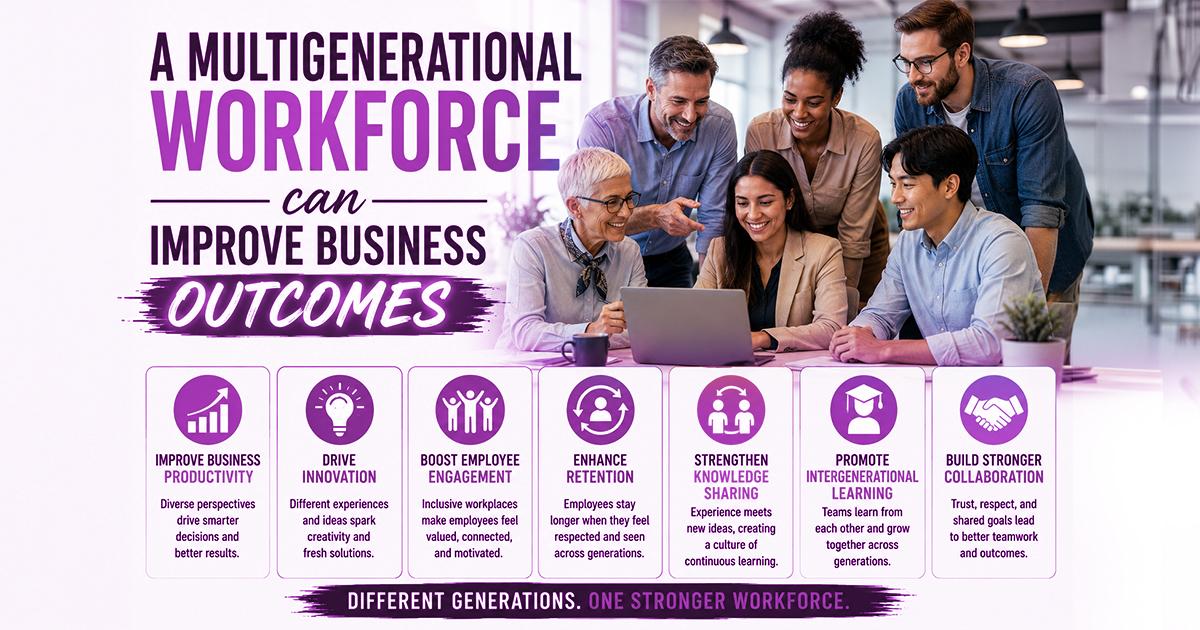
Organizations often view a multigenerational workforce through the lens of management complexity. However, when supported by effective leadership, generational diversity can become a source of long-term business value. Employees at different career stages contribute varied perspectives shaped by changing markets, technologies, customer expectations, and professional experiences.
Bringing these viewpoints together enables organizations to respond more effectively to evolving business challenges. Some of the ways generational diversity can strengthen business performance include:
- Better Decision-Making: Teams with varied professional experiences often evaluate challenges from multiple perspectives, leading to more balanced and informed business decisions.
- Greater Innovation: Combining institutional knowledge with emerging ideas enables organizations to develop solutions that respond to changing markets while building on proven expertise.
- Stronger Customer Understanding: Employees from different generations can provide broader insights into evolving customer behaviors, helping organizations design products, services, and experiences for a wider audience.
- Improved Succession Planning: Continuous knowledge exchange between experienced and emerging leaders helps organizations prepare for future leadership while preserving critical institutional expertise.
- Higher Organizational Resilience: Diverse teams are often better equipped to respond to changing business conditions because they combine historical experience with new ways of thinking.
Source
Building Future-Ready Leadership For A Changing Workforce
Workforce demographics will continue evolving as career patterns, technologies, and employee expectations change over the coming years. For business leaders, the challenge will be managing and building organizations that remain effective regardless of future changes in workforce composition. This requires leadership models that prioritize adaptability, continuous learning, inclusive decision-making, and long-term workforce planning.
Leaders who invest in these capabilities are better positioned to build organizations where employees at every career stage can contribute meaningfully while supporting innovation, business continuity, and sustainable growth. To explore these leadership priorities further, you can register for the Singapore Edition of the CXO 2.0 Conference, taking place from December 2–4, 2026, which will provide a platform for business leaders to discuss workforce transformation, organizational strategy, innovation, and the future of work.
FAQs
1. Why are multigenerational workforces becoming more common?
- Longer careers, delayed retirement, improved life expectancy, and the continued entry of younger professionals into the workforce have led organizations to employ people from multiple generations simultaneously.
2. What challenges do leaders face when managing a multigenerational workforce?
- Leaders often need to navigate different communication preferences, career expectations, work styles, learning approaches, and perspectives while maintaining collaboration and alignment across teams.
3. What networking opportunities are available at the leadership conference?
- Attendees can participate in dedicated networking sessions, panel discussions, and interactive engagements that provide opportunities to connect with business leaders, industry experts, entrepreneurs, and executives from diverse sectors.
4. Why is inclusive leadership important in a multigenerational workplace?
- Inclusive leadership creates an environment where employees from different generations feel valued, respected, and encouraged to contribute their ideas, helping organizations strengthen collaboration, innovation, and decision-making.
5. How long does it take to receive a registration confirmation?
- Once your registration for the three-day business leadership conference is successfully completed, you can expect to receive a confirmation email within 24–48 hours.