How do executives make effective decisions when business conditions are changing faster than ever? Executive decision-making has always involved balancing competing priorities. However, today's business environment presents new challenges that require leaders to evaluate risks, respond to emerging opportunities, and make strategic decisions within increasingly compressed timeframes. Rapid technological advancement, shifting customer expectations, evolving regulations, and economic volatility are all influencing how organizations operate and compete.
As a result, executive decision-making is evolving beyond traditional planning approaches. Today's leaders are expected to respond quickly while carefully evaluating risks and maintaining a focus on long-term organizational objectives. These developments are receiving growing attention at global business leadership conferences, including the CXO 2.0 Conference, where executives examine leadership strategies, organizational priorities, and approaches to effective decision-making in changing business environments. To understand this shift, it is important to explore the priorities, challenges, and approaches that are redefining executive decision-making today.
TL;DR: Quick Takeaways
- Executive decision-making is becoming more complex due to changing business conditions.
- Leaders must balance speed, risk management, and long-term objectives.
- Data supports decisions, but judgment remains essential.
- Collaboration and diverse perspectives are playing a greater role in leadership decisions.
- Adaptability has become a critical executive capability.
- Business leaders are refining decision-making frameworks to improve organizational performance.
The New Dynamics Of Leadership Decisions
Executive leadership has always involved making difficult decisions. However, today's business environment presents new factors that influence how leaders evaluate opportunities, assess risks, and determine strategic priorities.
Organizations are operating in environments shaped by rapid technological advancement, changing customer expectations, evolving regulations, and increased market competition. These factors often require leaders to make important decisions within shorter timeframes than in the past. Several developments are contributing to this shift, including:
-
Faster Business Cycles
Market conditions can change quickly, requiring organizations to respond more rapidly to emerging opportunities and challenges. Decisions that once unfolded over months may now require action within weeks or even days.
-
Expanding Data Availability
Organizations have access to more data than ever before. While this creates valuable opportunities for insight, it also increases the challenge of identifying which information is most relevant to decision-making.
-
Growing Stakeholder Expectations
Business leaders must consider the perspectives of customers, employees, investors, partners, and regulators. Balancing these expectations requires a broader approach to leadership and decision-making.
5 Priorities Guiding Leadership Decisions In 2026
As leadership expectations evolve, executives are placing greater emphasis on factors that support both immediate performance and long-term organizational success. These priorities continue to shape themes at global leadership conferences, including the CXO 2.0 Conference in Dubai. Let us look at the priorities that are becoming increasingly important:
-
Balancing Speed With Evaluation
Modern leaders recognize that delaying decisions can sometimes create risks of its own. Executives often focus on making informed decisions using the best available insights while remaining prepared to adjust when conditions change.
-
Managing Risk More Proactively
Risk assessment now extends beyond financial considerations. Executives evaluate operational, technological, regulatory, and reputational factors to better understand potential impacts and develop strategies that support both stability and growth.
-
Maintaining A Long-Term Perspective
While short-term performance remains important, leaders also consider how current decisions may affect future business objectives. Maintaining a strategic perspective helps organizations align immediate actions with long-term priorities and sustainable growth.
-
Building Organizational Agility
Many organizations are investing in structures and processes that allow teams to respond more effectively to changing business conditions. Agility is becoming an important factor in supporting better decision-making across the organization.
-
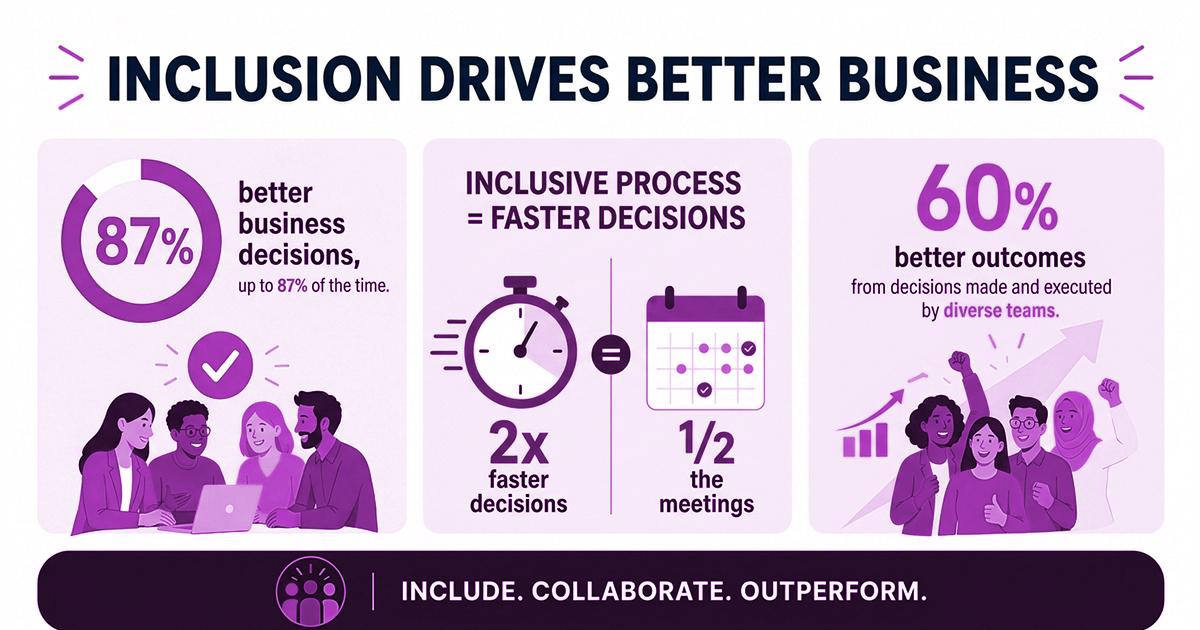
Incorporating Diverse Perspectives
Executives are increasingly seeking input from cross-functional teams, industry experts, and key stakeholders. Multiple viewpoints can help strengthen decision quality, challenge assumptions, and identify opportunities that may otherwise be overlooked.
Source
The Building Blocks Of Strong Executive Decisions
Strong leadership decisions are rarely based on instinct alone. Effective executives often rely on structured approaches that improve consistency, reduce blind spots, and strengthen strategic thinking. As leadership expectations continue to evolve, organizations are increasingly focused on improving the quality of executive decision-making through several key practices:
- Using Data As A Guide: Data can help leaders understand trends, measure performance, and identify emerging opportunities. However, data is most effective when combined with business context, experience, and strategic judgment.
- Seeking Diverse Perspectives: Many executives actively seek input from leadership teams, industry experts, and functional specialists before making significant decisions. Diverse perspectives can challenge assumptions and uncover potential risks or opportunities that may otherwise be overlooked.
- Scenario Planning: Leaders increasingly evaluate multiple possibilities rather than focusing on a single outcome. This allows organizations to prepare for different developments and respond more effectively when conditions change.
- Continuous Learning: Business leaders regularly reassess assumptions and learn from previous decisions. This process helps organizations refine strategies and improve future decision-making capabilities.
5 Leadership Skills To Navigate Complexity
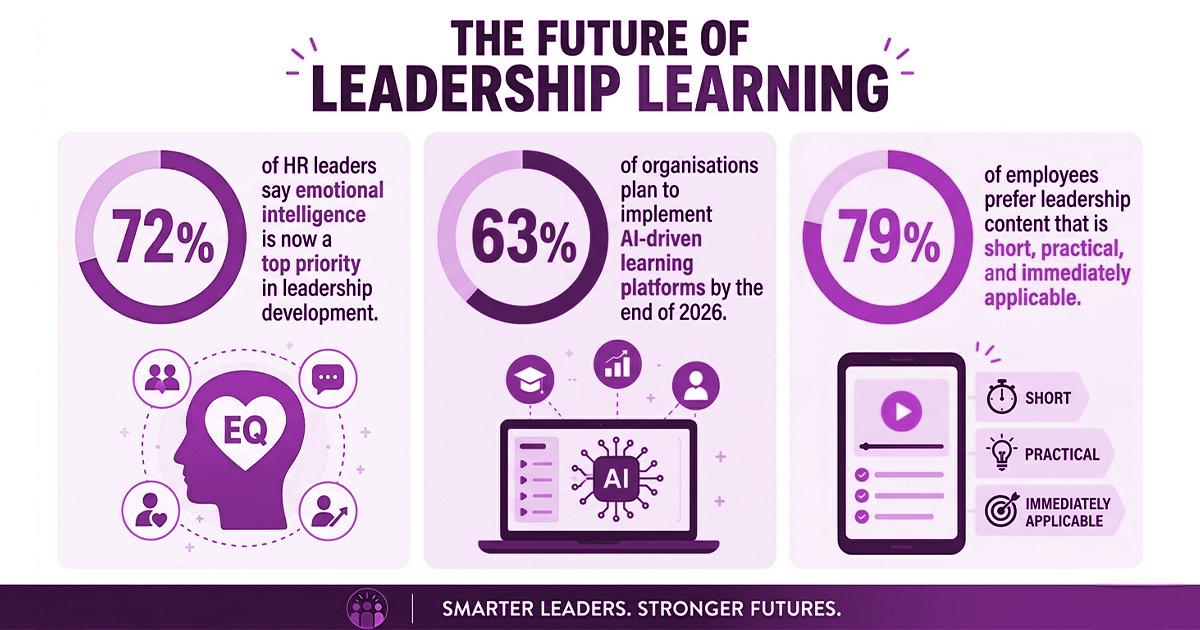
As executive decision-making continues to evolve, certain leadership capabilities are becoming increasingly valuable. Technical expertise and industry knowledge remain important, but organizations are placing greater emphasis on leadership skills that help executives navigate complexity, guide teams, and respond effectively to changing business conditions.
These capabilities are also receiving increased attention at executive leadership summits and business leadership conferences. According to a 2025 global study by leadership advisory firm Egon Zehnder, 92% of CEOs believe they must cultivate levels of adaptability beyond anything previously imagined to lead effectively in today's environment, highlighting the growing importance of leadership skills that support agility and sound decision-making. Several leadership capabilities are becoming particularly important, including:
- Strategic Thinking: Leaders must be able to connect immediate decisions with broader organizational goals and long-term business priorities. This helps ensure that short-term actions support sustainable growth.
- Adaptability: Changing conditions require leaders to adjust strategies when necessary while maintaining focus on core objectives. Adaptability enables organizations to respond more effectively to emerging challenges and opportunities.
- Communication: Clear communication helps ensure that decisions are understood, implemented effectively, and aligned across the organization. It also supports collaboration and organizational transparency.
- Sound Judgment: Even with advanced analytics and growing data availability, leadership judgment remains essential when evaluating complex situations and competing priorities. Strong judgment helps leaders make balanced and informed decisions.
- Emotional Intelligence: Understanding the perspectives and concerns of employees, stakeholders, and customers can improve decision-making outcomes. Emotional intelligence also supports stronger leadership and team engagement.
Source
Rethinking Leadership For The Future!
Executive decision-making is entering a new phase. Leaders are navigating increasing complexity while balancing the need for speed, risk management, and long-term strategic thinking. Organizations that develop strong decision-making frameworks and adaptable leadership practices may be better positioned to respond to future challenges and opportunities.
These priorities continue to influence the direction of the CXO 2.0 Conference. If you are interested in exploring the leadership approaches redefining today's business environment, don’t miss the opportunity to gain insights from industry leaders, discover emerging management strategies, and explore perspectives on effective executive decision-making at the leadership conference scheduled to take place in Dubai in 2026.
FAQs
-
Why is balancing speed and strategy important for business leaders?
Organizations must respond quickly to opportunities and challenges while ensuring that decisions align with long-term objectives. Striking this balance helps leaders support both immediate performance and future growth.
-
What topics are explored at the CXO 2.0 Conference?
The three-day executive leadership summit explores leadership, business strategy, organizational performance, digital transformation, innovation, decision-making practices, and emerging trends affecting business leaders.
-
What role does risk management play in executive decision-making?
Risk management helps leaders evaluate potential challenges and understand their impact on business operations, reputation, and performance. It supports more informed and strategic decision-making.
-
Why are global leadership conferences valuable for executives?
Business leadership conferences provide opportunities to gain industry insights, explore emerging management practices, learn from experienced leaders, and exchange perspectives with peers from diverse sectors.
-
Why are diverse perspectives important in leadership decisions?
Input from different teams, experts, and stakeholders can help identify blind spots, challenge assumptions, and improve the overall quality of executive decisions.