Where Could The Next Billion-Dollar Business Model Come From? Insights From The CXO 2.0 Conference’s 2026 Edition
Posted on : September 02, 2026
Every industry has a tendency to focus on what is already visible. We track trends, study competitors, and analyze markets that have already proven successful. Yet some of the opportunities that eventually reshape industries rarely begin that way. They often emerge from problems people have learned to tolerate, inefficiencies that have existed for years, or changes in behavior that seem insignificant until they begin to affect entire markets.
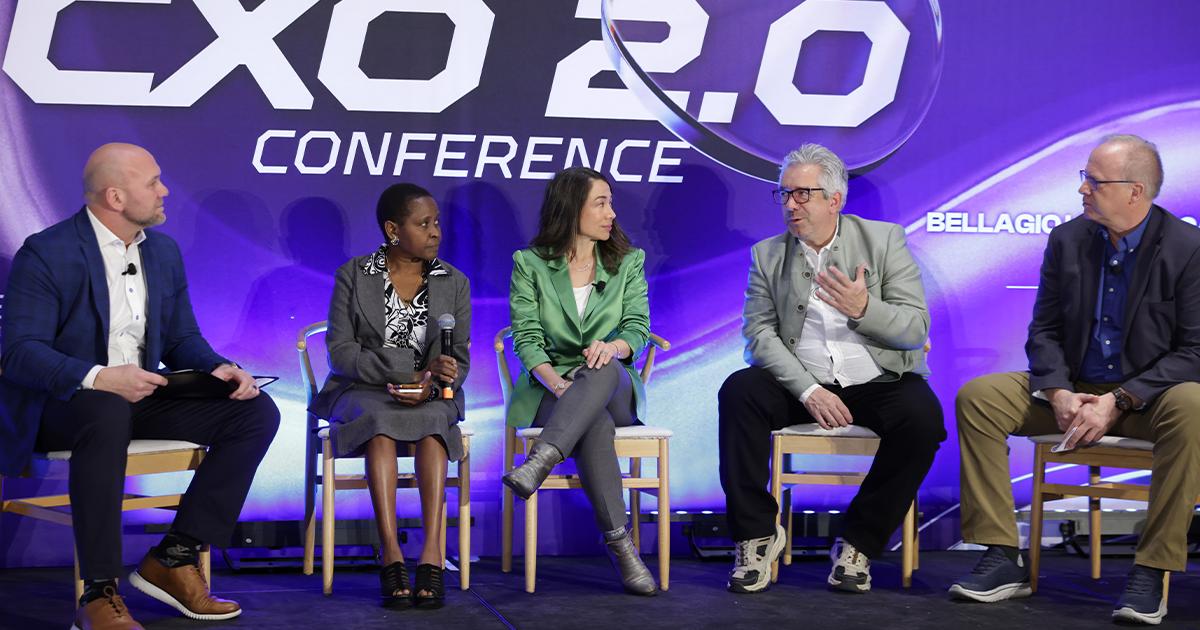
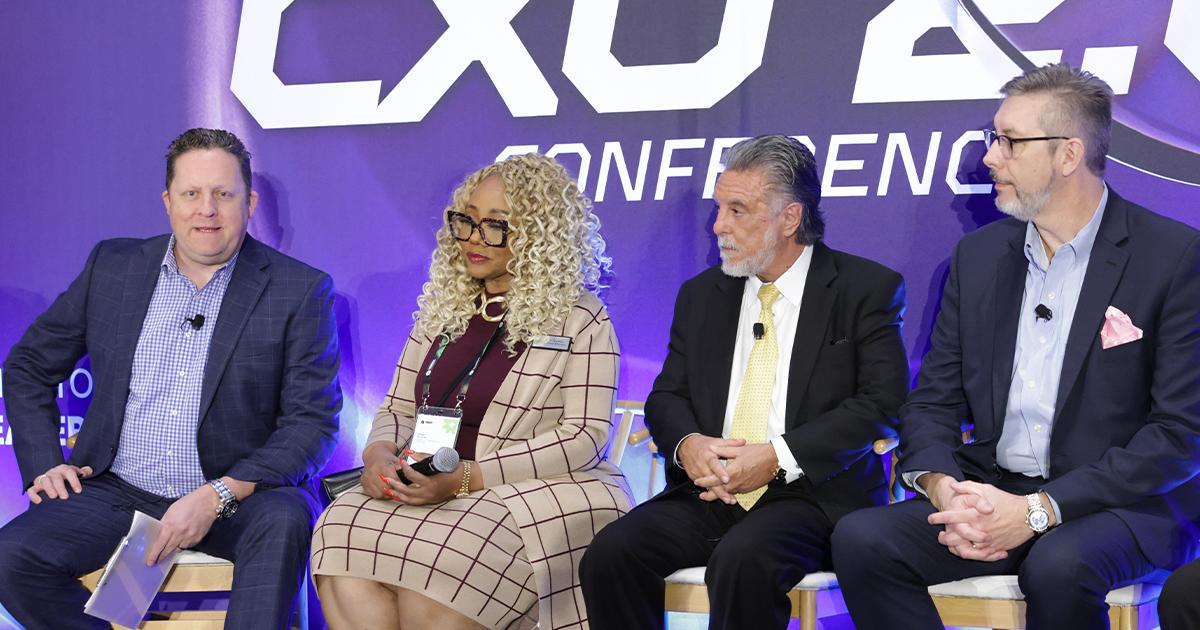
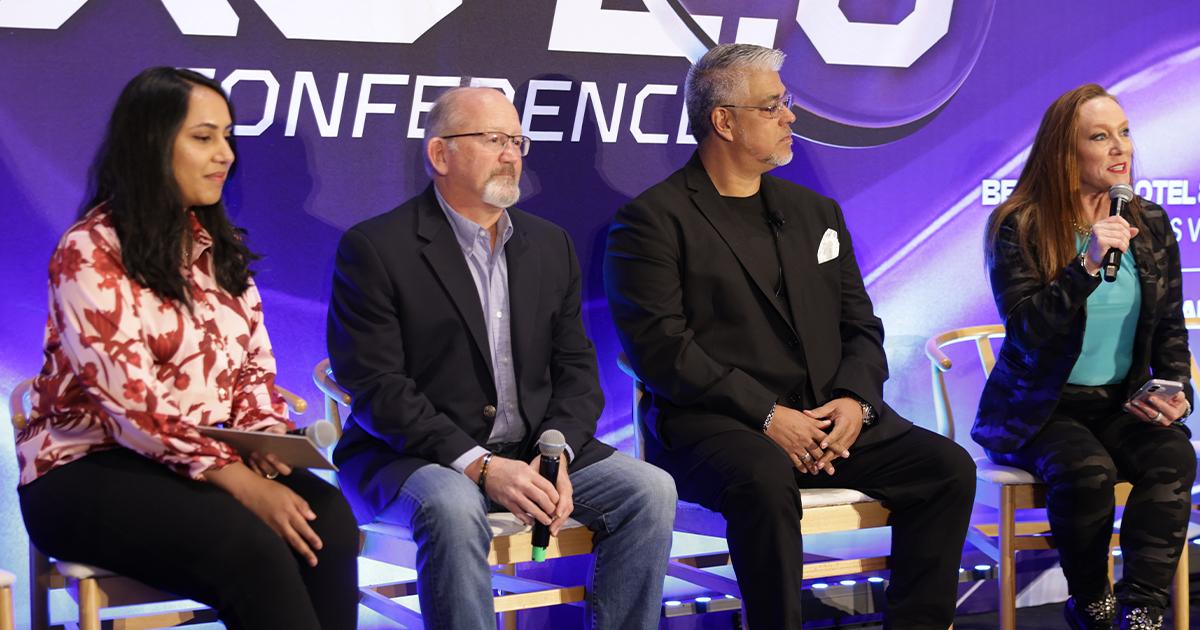
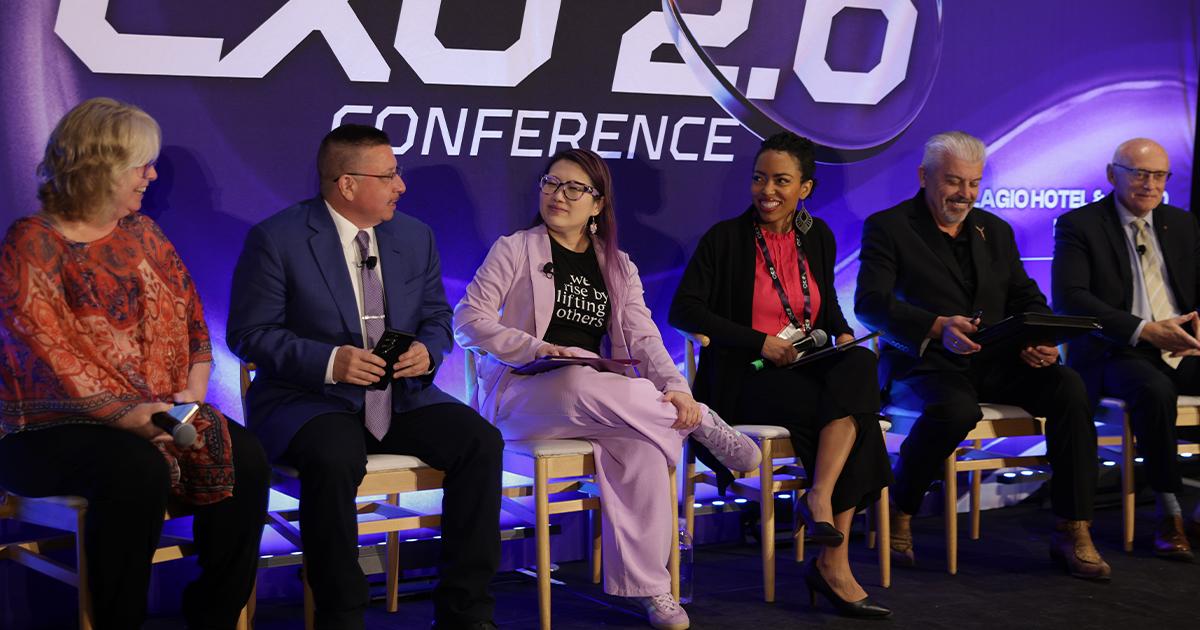
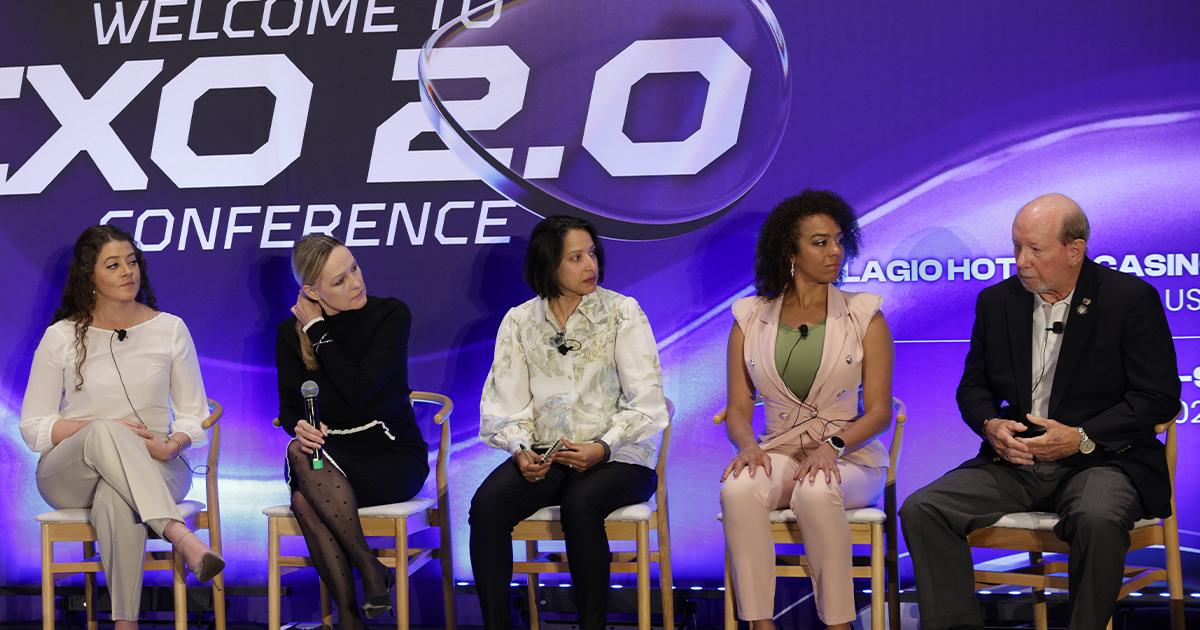
That idea sat at the center of the panel discussion, “The Next Billion-Dollar Business Models — And How To Spot Them First,” held during the CXO 2.0 Conference at the Bellagio Hotel & Casino in Las Vegas, Nevada, USA, from April 7 to April 9, 2026. Moderated by Dr. Hany Demian, the session featured Erika A. Rosenthal, Martin R. Kilmer, Michelle Carroll, and Gueston Smith, who explored how entrepreneurs, executives, and innovators can identify emerging opportunities before they become obvious to everyone else.
While the discussion covered industries ranging from healthcare and law-related services to education and infrastructure, a common theme continued to surface throughout the session: the next billion-dollar business model may not come from inventing something entirely new. It may come from solving a problem that has been hiding in plain sight all along.
Why The Largest Opportunities Often Hide Inside Everyday Problems
One idea surfaced repeatedly during the discussion: people often look for opportunities in trends when they should be looking at constraints. Many industries have accepted inefficiencies as normal simply because they have existed for so long. Yet those inefficiencies often represent some of the most valuable opportunities for innovation.
Healthcare became one of the clearest examples. Reflecting on his own journey, Dr. Hany Demian described how his understanding of patient care evolved over time. What initially appeared to be a chronic pain problem eventually revealed itself as something much broader. Rather than viewing conditions through a narrow lens, he began looking at the body as an interconnected system, leading his work toward longevity, regenerative medicine, and personalized healthcare.
The shift reflects a larger change taking place across healthcare. Instead of waiting for illness to develop and then reacting, more attention is being directed toward prevention, optimization, and proactive care. For businesses operating in the space, that shift creates opportunities to rethink how healthcare is delivered and experienced.
As Dr. Hany Demian, Founder & CEO of Praesentia Healthcare, observed, “Ideas are not created; they’re found. You can find them anywhere. You just need to quiet down and remove the noise.”
The comment captured an important theme of the session. Opportunities are often already present. The challenge is recognizing them before everyone else does.
Technology Is Changing Industries, But Not Human Expectations
Few discussions about future business models can avoid the topic of artificial intelligence. Yet rather than focusing on replacement, the panel spent considerable time discussing augmentation.
Technology is making industries faster, more efficient, and increasingly scalable. However, efficiency alone does not eliminate the need for trust, judgment, or human relationships. That perspective became especially clear during the discussion around legal services. Martin R. Kilmer explained how technology is transforming the legal industry by reducing administrative burdens, accelerating workflows, and creating new business structures capable of attracting investment. These developments are opening doors for greater scalability within a profession that has traditionally been resistant to change.
At the same time, legal services remain deeply personal. Clients still need guidance, reassurance, and someone they trust when making important decisions.
As Martin R. Kilmer, Chief Operating Officer at Gravis Law PLLC, explained, “The empathy and relationship from a personal side with our clients is a key component, and that does not go away as long as it’s not just machines talking to machines.”
The observation extended beyond the law. Whether in healthcare, consulting, education, or customer service, the panel consistently returned to the idea that technology may transform processes, but human expectations often remain the same.
When Complexity Becomes A Business Opportunity
Many billion-dollar opportunities emerge not because a problem is new, but because the problem has become too complex to ignore.
That reality was particularly evident in Michelle Carroll’s discussion about the relationship between healthcare and law. Medical records often exist across multiple providers, systems, and care settings. By the time those records reach attorneys, they may consist of thousands of pages that require extensive review and interpretation. The challenge is not simply gathering information. It is understanding what that information means.
Carroll explained how she developed a model that combines healthcare expertise, legal understanding, critical thinking, and artificial intelligence to organize and interpret large volumes of information more efficiently. Yet even as she discussed the benefits of AI, she emphasized that technology alone cannot provide every answer.
As Michelle Carroll, Founder & CEO of Lexcura Summit Medical-Legal Consulting, noted, “AI cannot make decisions or tell you what’s wrong with the patient. There’s too much nuance to be able to do that.”
That insight highlights an important lesson for business leaders. Some of the strongest opportunities do not come from replacing expertise. They come from removing unnecessary complexity so experts can focus on higher-value work.
Throughout the discussion, complexity was repeatedly described as a barrier to growth. Businesses that can simplify fragmented systems, streamline workflows, and improve decision-making may find themselves addressing some of the largest opportunities in the market.
The Difference Between A Good Idea And A Scalable Business
The conversation also challenged a common assumption about innovation. Great ideas are often celebrated. Scalable systems are discussed far less frequently. Yet several panelists argued that execution is what ultimately determines whether an idea becomes a successful business model.
This perspective emerged when the discussion shifted toward growth and market opportunities. While many entrepreneurs focus on identifying the next trend, the panel emphasized the importance of building structures that can repeatedly deliver value without breaking as demand increases.
In other words, a billion-dollar idea becomes a billion-dollar business only when it can operate consistently at scale. As Erika A. Rosenthal, Co-founder & Managing Partner of Veritac Group, remarked, “The real trick over the next few years is going to be who can execute well and fast enough that the imitators don’t come and take it right.”
The statement reflected one of the strongest conclusions of the session. Innovation may attract attention, but execution is what sustains growth.
Looking Beyond Existing Markets
An interesting part of the conversation focused on adaptability. As industries continue evolving, the discussion suggested that opportunity may also emerge from rethinking how people access products, services, and experiences. Reflecting on this shift, Gueston Smith, Founder & Chief Design Officer of Guesscreative, observed, “The more opportunity we have to be able to utilize space in the adaptation of how humans move and adapt as people, if we had space that adapts in that same framework, that's going to be the next level.”
A particularly interesting moment came when the conversation expanded to neurodivergent learning. Audience member Chaya Malavar shared her work developing an AI-powered platform designed to support children with ADHD and related learning differences.
What Emerged From The Conversation At CXO 2.0 Conference
By the end of the session, the discussion had moved away from predictions about specific industries. Instead, it offered a framework for recognizing opportunity itself. The panelists consistently pointed toward the same pattern. Billion-dollar opportunities tend to emerge where large problems, growing demand, operational inefficiencies, and scalable solutions intersect. As the conversation moved across healthcare, law-related services, education, and infrastructure, the underlying principle remained remarkably consistent.
The businesses that succeed are often the ones that notice what others overlook. Rather than chasing every new trend, we can gain more by paying attention to persistent problems, listening for repeated signals, and finding ways to simplify complexity. As the discussion demonstrated, the next billion-dollar business model may already exist. The challenge lies in recognizing it before the rest of the market does.
In bringing together leaders from healthcare, business, technology, consulting, and innovation, the CXO 2.0 Conference created space for a conversation that extended beyond market forecasts and industry predictions. The session ultimately reinforced a simple but powerful idea: meaningful growth often begins when organizations pay closer attention to the challenges people experience every day and find better ways to address them. Every conference brings together unique perspectives, ideas, and experiences that help move industries forward. Join us at the CXO 2.0 Conference to continue exploring the conversations, innovations, and opportunities shaping the future.
Frequently Asked Questions
1. Who Can Attend The CXO 2.0 Conference?
The CXO 2.0 Conference welcomes entrepreneurs, executives, business leaders, consultants, innovators, and professionals from a wide range of industries who are interested in learning from industry experts, expanding their networks, and exploring emerging trends.
2. How Can Industry Experts Become Panelists At The CXO 2.0 Conference?
Industry experts with significant experience, accomplishments, and insights in their respective fields may have opportunities to participate as panelists. The conference features thought leaders who can contribute meaningful perspectives on current industry topics and business challenges.
3. What Factors Can Help Businesses Recognize Emerging Market Opportunities?
Businesses can identify emerging opportunities by paying attention to recurring customer challenges, changing consumer behavior, industry developments, and gaps within existing solutions. Recognizing these signals early can help organizations respond to evolving market needs.
4. Why Is Scalability Important When Developing A Business Model?
Scalability allows a business to grow efficiently while maintaining the quality of its products, services, and operations. A scalable business model can support increasing demand without requiring proportional increases in resources or complexity.
5. How Can Businesses Evaluate New Ideas Before Expanding Them?
Businesses can evaluate new ideas by testing them on a smaller scale, gathering customer feedback, studying market demand, and assessing operational feasibility. This approach can help organizations make informed decisions before committing significant resources.
Anubhav Shukla is a proactive member of the organizing committee for the CXO 2.0 Conference. He is deeply committed to enhancing corporate excellence and facilitating growth through strategic collaboration. Drawing upon his extensive experience and astute industry awareness, Anubhav is proud to be associated with a platform that empowers business leaders to surmount obstacles, capitalize on opportunities, and mitigate the risks associated with fraud, scams, and spam within the legitimate business sphere.