Leadership, Purpose, And Growth Took Center Stage At The Las Vegas 2026 Edition Of CXO 2.0 Conference
Posted on : July 20, 2026
Growth often begins as an ambition, but it becomes a test once organizations start expanding across people, processes, technology, and customer expectations. Every business leader seeks progress, yet the path toward meaningful growth demands more than speed or scale. It requires clarity, discipline, trust, and the ability to guide people through change without losing sight of purpose.
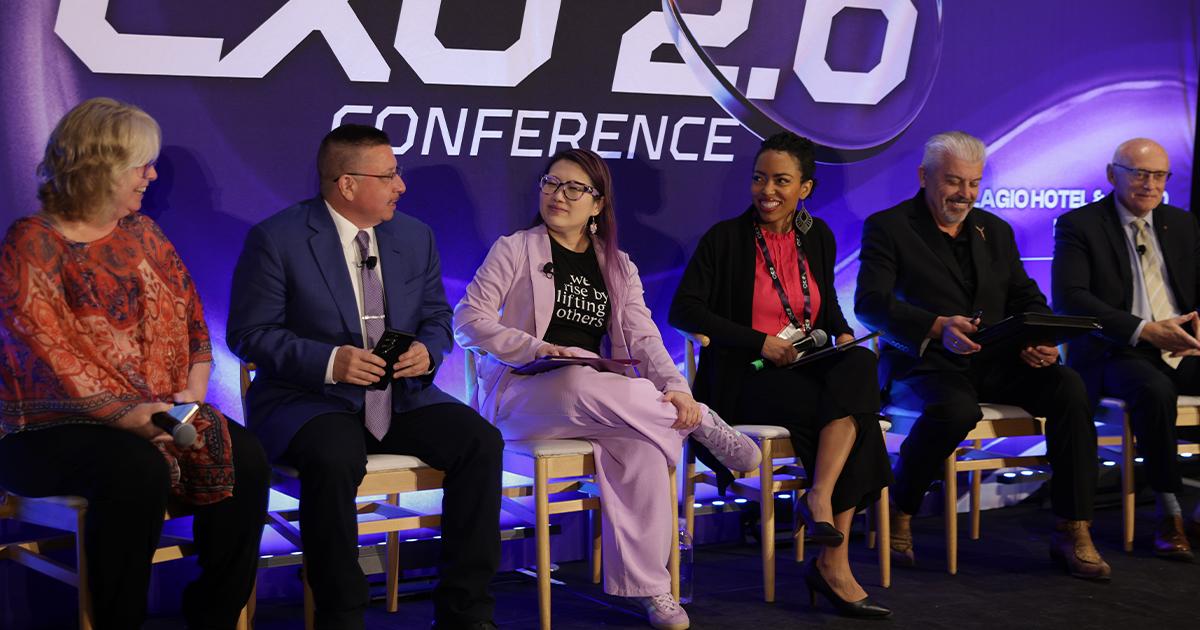
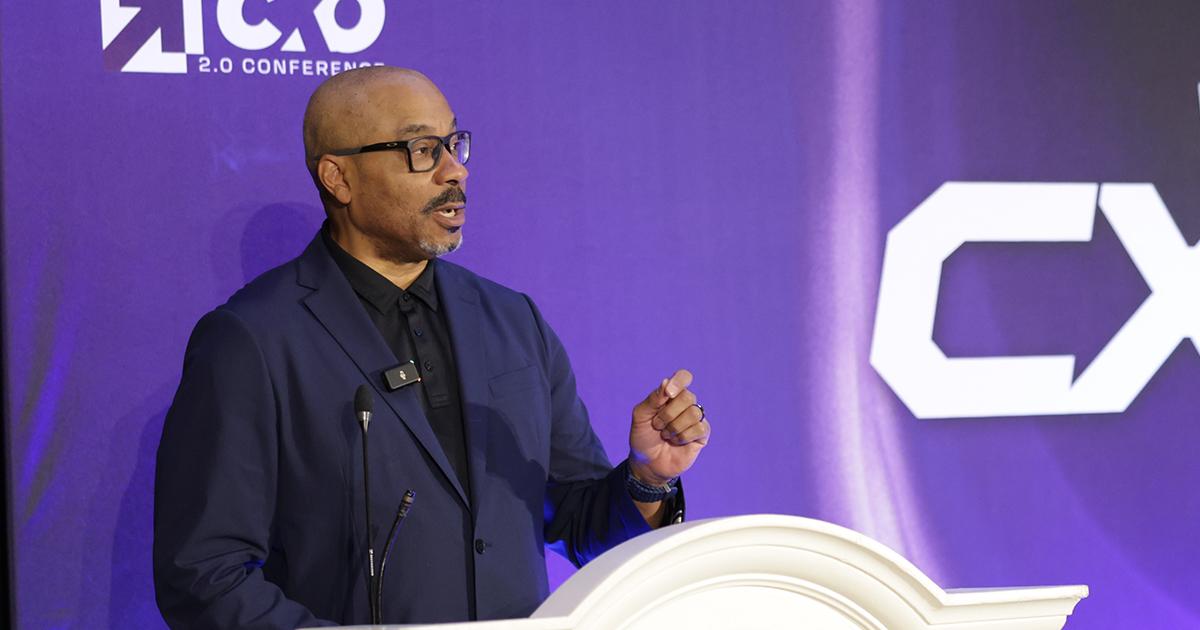
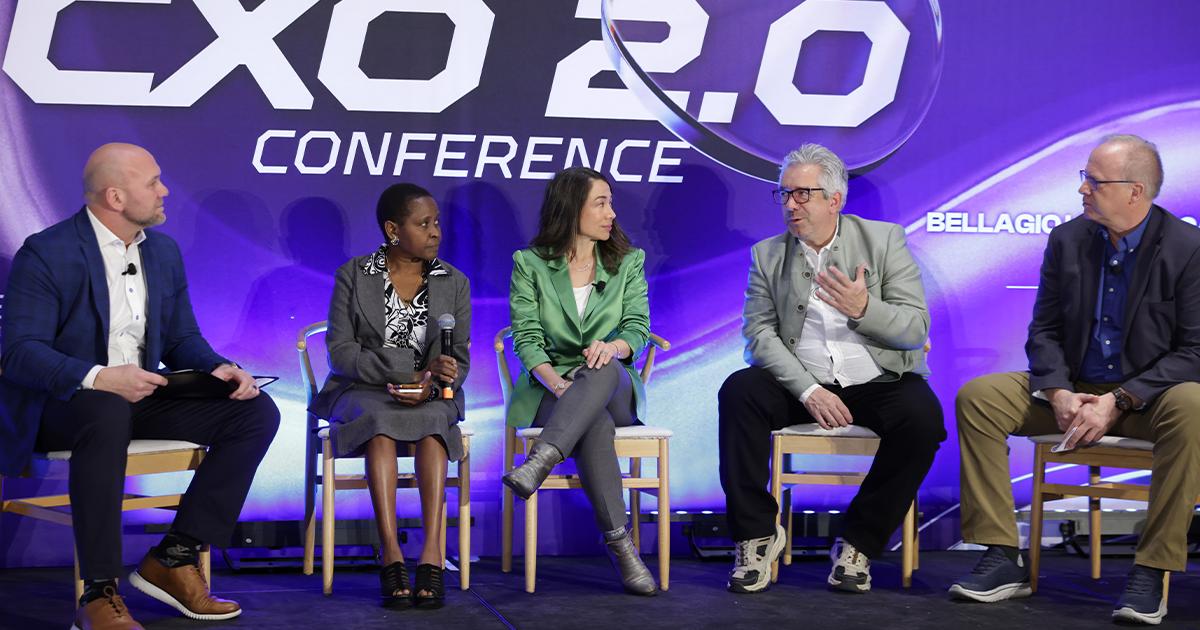
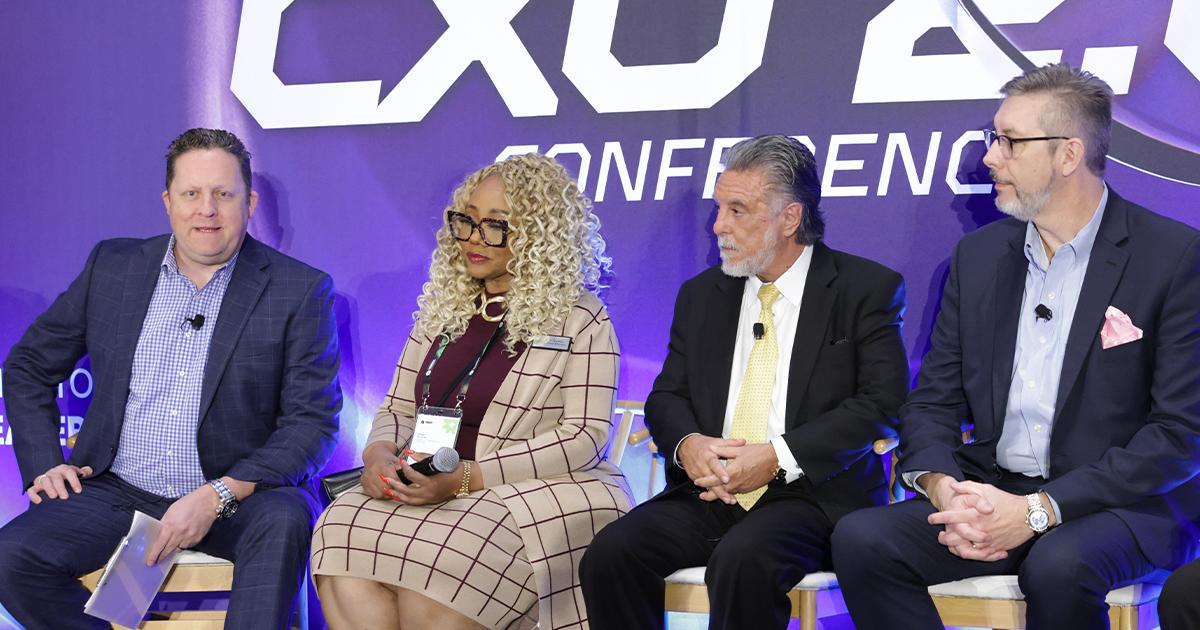
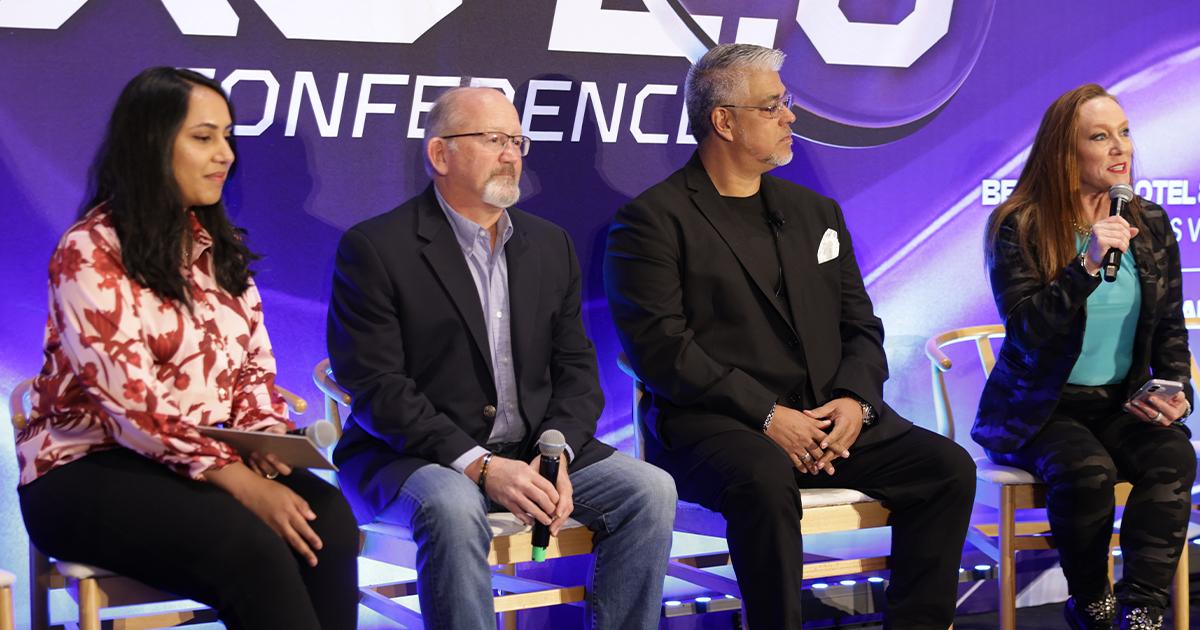
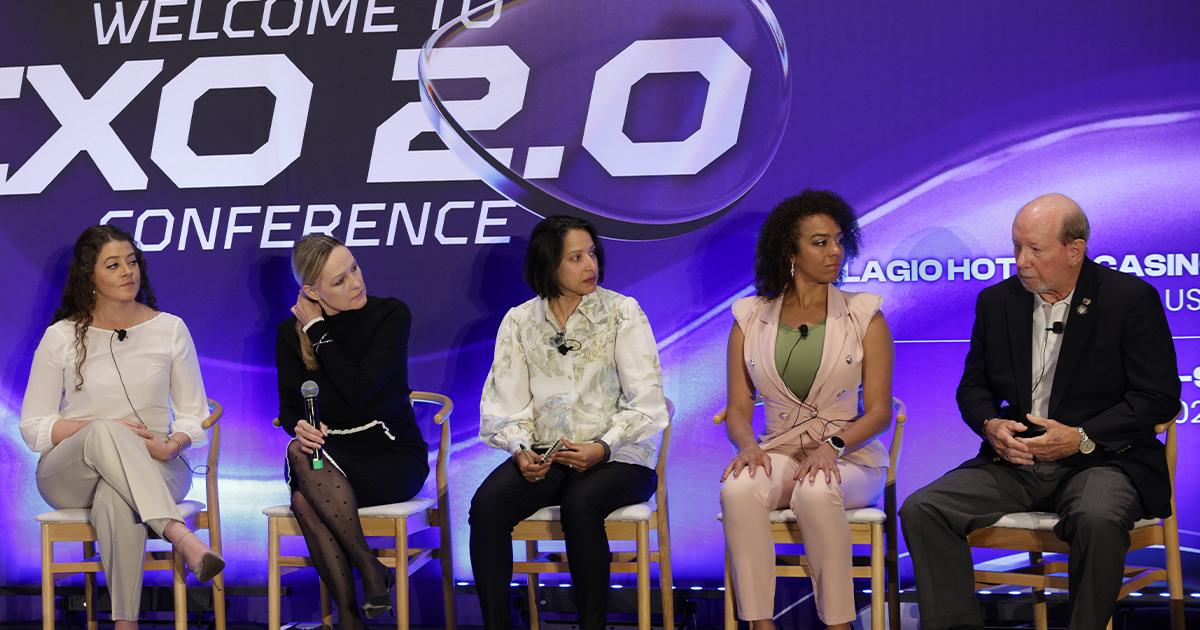
As we continue to bring senior leaders together through our global business conference platform, these conversations help us examine the leadership questions shaping boardrooms today. During the CXO 2.0 Conference, held at the Bellagio Hotel & Casino in Las Vegas, Nevada, USA, from April 7–9, 2026, we hosted a panel discussion on “Built To Lead: The 2026 CEO Playbook For Relentless Growth.” Moderated by Richard Curran, the session featured David Adams, Omar Rahmat, Erika A. Rosenthal, and Dr. Ravi R. Iyer. Together, they explored how leaders can create alignment, prepare organizations for growth, embrace technology thoughtfully, and build cultures capable of performing under pressure.
Clarity In An Age Of Constant Change
Business leaders are operating in an environment where change rarely arrives one challenge at a time. Market conditions shift, customer expectations evolve, technologies emerge, and new priorities compete for attention. In such conditions, uncertainty is often unavoidable. Confusion, however, is not.
One of the strongest themes throughout the discussion centered on clarity. While organizations cannot control every external factor influencing their business, they can create internal alignment through communication. Clear priorities help people understand what matters most, where resources should be directed, and how decisions should be made when circumstances change.
This idea was captured by Erika A. Rosenthal, Co-founder & Managing Partner of Veritac Group, who remarked:“Ambiguity is the most expensive form of overhead.”
The observation highlighted an often-overlooked challenge within growing organizations. When priorities are unclear, employees spend valuable time interpreting direction, resolving misunderstandings, and working through unnecessary complexity. As organizations expand, the cost of that confusion grows as well.
The conversation also explored the role communication plays in creating that clarity. Priorities become easier to execute when people understand not only what needs to be done but also how their efforts contribute to broader organizational goals. Speaking to this point, Omar Rahmat, CEO of Office Technology Partners LLC, stated:“Communication is key. First, make sure the people who report to you have a clear understanding of your mission and how to execute that mission.”
Together, these perspectives reinforced a central message: organizations perform more effectively when communication creates alignment. Clarity is not simply about sharing information. It is about helping people move forward with confidence because they understand both the destination and their role in reaching it.
Purpose As The Foundation For Growth
Growth often introduces a natural temptation for leaders to become more involved in daily operations. As responsibilities increase, attention can quickly shift toward contracts, metrics, processes, and performance targets.
Yet the discussion at our leadership summit repeatedly returned to a different idea: growth becomes more sustainable when leaders remain connected to purpose. Reflecting on how leadership expectations are evolving, David Adams, Founder & CEO of Business Freedom Group, observed:“They really have to shift from command and control where they focus on everything to a human and purpose-driven organization.”
The comment reinforced the idea that growth becomes difficult when decision-making remains concentrated at the top. As organizations expand, leaders cannot be involved in every decision. Progress depends on creating an environment where people understand the organization’s direction and feel empowered to act within it.
Building on this perspective, Dr. Ravi R. Iyer, Founder & Chairman of ActivPower Group Of Companies & The Iyer Clinic, stated:
“Entrepreneurs use language to create a world.”
The statement moved the conversation beyond operational leadership and into the realm of influence. Leaders do more than manage activities; they create belief. Through vision, communication, and commitment, they shape the environment in which people work and make decisions.
A recurring theme throughout the discussion was that people perform more effectively when they understand why the organization exists and what it is trying to achieve. Purpose creates consistency. It guides decisions, shapes culture, and provides direction when circumstances become uncertain. Rather than relying on constant supervision, organizations can create alignment through shared understanding.
Growth Is A Matter Of Readiness, Not Speed
Revenue growth is often treated as the ultimate measure of success. The discussion, however, challenged the assumption that growth alone indicates organizational strength.
Expansion can reveal weaknesses that remain hidden during stable periods. Systems that worked effectively at one scale may struggle under increased demand. Communication gaps become more visible, operational inefficiencies become harder to ignore, and pressure begins to expose areas that previously went unnoticed.
The panel encouraged leaders to think carefully about capacity as they pursue growth. Growth is not only about attracting new customers. It is also about ensuring the business can continue delivering value consistently as demand rises.
Several parts of the conversation focused on understanding current operations before pursuing additional expansion. Leaders were encouraged to identify bottlenecks, examine expenses, review contracts, and evaluate whether existing systems could support future growth. Small inefficiencies may appear manageable in the short term, but they often become significant obstacles as organizations scale.
This perspective shifted the conversation away from growth as a number and toward growth as readiness. Strong organizations are not defined solely by how quickly they expand. They are defined by their ability to maintain quality, consistency, and customer value while doing so.
The discussion also reinforced the importance of keeping customers at the center of growth decisions. Expansion becomes more meaningful when it improves the customer experience rather than placing additional strain on the organization.
Technology Works Best When People Remain At The Center
Artificial intelligence and automation formed another major part of the conversation. While the panel acknowledged the growing influence of AI across industries, the discussion remained focused on how technology can support people rather than replace them.
The speakers emphasized that technology becomes most effective when leaders understand the outcome they are trying to achieve before introducing new tools. Without a clear objective, organizations risk adding complexity instead of creating efficiency.
The conversation also highlighted the importance of training, communication, and responsible implementation. Technology can process information quickly and increase productivity, but it still requires human direction. Organizations benefit most when employees understand how to use these tools effectively and when technology supports broader business objectives.
Another important point centered on trust. Employees are more likely to embrace new technologies when they understand how those tools help them perform their work more effectively. This creates stronger adoption, better collaboration, and more meaningful results.
Throughout the discussion, a consistent message emerged: technology can accelerate progress, but leadership, judgment, and human understanding remain essential.
Culture Under Pressure
As the conversation turned toward culture and execution, the panel explored what enables organizations to remain strong during periods of rapid growth.
Trust, transparency, adaptability, and accountability emerged as recurring themes. Growth places pressure on every part of a business. It tests communication, exposes operational weaknesses, and reveals whether people understand the organization’s priorities.
The discussion suggested that leaders play a significant role in creating stability during these moments. When decisions are communicated clearly and employees understand the reasoning behind them, organizations are better positioned to adapt to change without losing momentum.
The panel also explored the relationship between vision and execution. Strategic direction provides focus, but systems and processes ensure that direction can be translated into action. Organizations benefit when leaders create a clear purpose while also building structures that allow people to execute consistently.
Underlying each of these points was a simple idea: growth is rarely sustained through individual effort alone. It depends on creating systems, cultures, and environments where people can contribute effectively toward shared objectives.
Key Leadership Takeaways From The CXO Conference
The panel closed with a powerful reminder that growth does not create strength on its own—it reveals what is already present within an organization. Richard Curran, CEO & President of Expo Convention Contractors, captured this sentiment when he remarked:“Growth doesn’t create strength in a company. It reveals the strength.”
As the conversation drew to a close, the discussion left the audience with more than leadership strategies and operational insights. It offered a deeper reflection on what sustainable growth truly requires: purpose that guides decisions, clarity that drives action, and systems that remain steady when circumstances shift. Throughout the session, growth was presented not as a destination but as an ongoing commitment to building stronger organizations from the inside out.
These are the kinds of conversations that continue to shape the experience at the CXO 2.0 Conference. By bringing accomplished leaders from diverse industries together on one stage, the conference creates opportunities for meaningful dialogue around the challenges and opportunities influencing modern leadership. The insights shared during this session served as a reminder that organizations are often strengthened not by how quickly they grow, but by how intentionally they prepare for that growth. There's always another conversation waiting to inspire new ideas. Explore our CXO 2.0 Conference website to discover upcoming events featuring global business leaders and forward-thinking professionals.
FAQs
Does The CXO 2.0 Conference Feature Industry Experts And Business Leaders?
Yes. The CXO 2.0 Conference brings together business leaders, executives, entrepreneurs, and industry experts who share insights, experiences, and strategies on leadership, innovation, and business growth.
How Can CEOs Create Alignment Across Departments During Periods Of Growth?
CEOs can create alignment by setting clear priorities, communicating goals consistently, and encouraging collaboration across departments. This helps employees understand how their efforts support the organization's broader objectives.
Why Is Organizational Purpose Important For Long-Term Business Growth?
A strong organizational purpose provides direction, supports consistent decision-making, and helps employees stay focused on shared goals, particularly during periods of change.
How Can Organizations Evaluate Whether They Are Ready To Scale?
Organizations can assess their readiness by reviewing operational capacity, identifying bottlenecks, evaluating customer experience, and determining whether existing systems can support increased demand effectively.
How Does The CXO 2.0 Conference Encourage Executive Networking?
The conference creates opportunities for meaningful professional connections through panel discussions, interactive sessions, and networking engagements that allow attendees to exchange ideas and build valuable business relationships.
Anubhav Shukla is a proactive member of the organizing committee for the CXO 2.0 Conference. He is deeply committed to enhancing corporate excellence and facilitating growth through strategic collaboration. Drawing upon his extensive experience and astute industry awareness, Anubhav is proud to be associated with a platform that empowers business leaders to surmount obstacles, capitalize on opportunities, and mitigate the risks associated with fraud, scams, and spam within the legitimate business sphere.