What separates organizations that simply use artificial intelligence from those that use it to gain a lasting competitive advantage? Increasingly, the answer lies not in the technology itself but in how effectively leaders integrate AI into business strategy, decision-making, operations, and organizational culture. As AI capabilities continue expanding, organizations are moving beyond experimentation toward embedding intelligent systems into core business functions.
This shift is changing how organizations compete. Businesses are using AI to improve strategic planning, accelerate innovation, strengthen customer experiences, and optimize operations while responding more quickly to changing market conditions. As these priorities become increasingly important, discussions at business leadership conferences and leadership summits are evolving beyond AI adoption to focus on how leaders can create sustainable competitive advantage in an AI-driven economy.
TL;DR: Quick Takeaways
- Explores how AI is redefining competitive advantage across industries.
- Examines what distinguishes AI-driven organizations from AI adopters.
- Highlights the business capabilities shaping long-term competitiveness.
- Discusses how AI is transforming organizational strategy and decision-making.
- Explains why leadership is becoming a critical differentiator in the AI economy.
Why AI Is Redefining Competitive Advantage
Artificial intelligence is no longer viewed solely as an emerging technology. For many organizations, it has become an important business capability that supports faster decision-making, operational efficiency, innovation, and long-term growth. As AI adoption continues to expand across industries, competition is increasingly influenced by how effectively organizations combine intelligent technologies with strategic leadership.
According to McKinsey's The State of AI 2025 , 78% of organizations now use AI in at least one business function, up from 72% in early 2024 and 55% the year before. These findings indicate that AI adoption is becoming increasingly widespread. As a result, competitive advantage is shifting away from simply implementing AI toward using it to improve business strategy, customer value, operational agility, and organizational performance. This changing landscape continues to influence conversations at global business leadership conferences, where executives are examining how AI can support sustainable business growth.
What Distinguishes AI-Driven Organizations
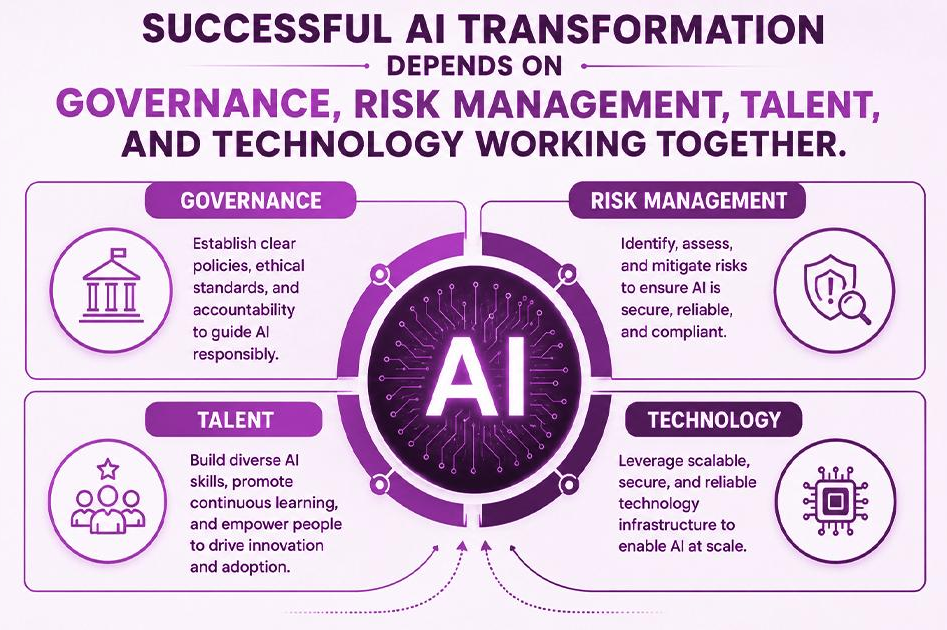
Implementing artificial intelligence does not automatically create a competitive advantage. Many organizations have access to similar technologies, yet the outcomes they achieve often differ significantly. The difference increasingly depends on how AI is integrated into leadership, strategy, and organizational capabilities rather than how many AI tools an organization adopts. Several characteristics distinguish organizations that are successfully building AI-driven businesses:
-
Strategic Integration
Rather than treating AI as an isolated technology initiative, leading organizations align AI investments with long-term business objectives, ensuring that intelligent systems directly support organizational priorities.
-
Strong Data Foundations
Reliable, accessible, and well-governed data enables AI systems to generate more accurate insights and support higher-quality business decisions.
-
Responsible AI Governance
Organizations are strengthening governance frameworks to improve transparency, accountability, regulatory compliance, and ethical AI implementation while managing emerging risks.
-
Workforce Readiness
AI adoption increasingly depends on employees who understand how to collaborate with intelligent systems, interpret AI-generated insights, and apply them effectively within their roles.
-
A Culture Of Continuous Innovation
Organizations that encourage experimentation, learning, and continuous improvement are often better positioned to adapt as AI capabilities continue evolving.
Together, these capabilities demonstrate that long-term competitiveness depends not simply on adopting AI but on building organizations that can continuously evolve alongside technological advancement.
Source
How AI Is Creating A New Competitive Landscape
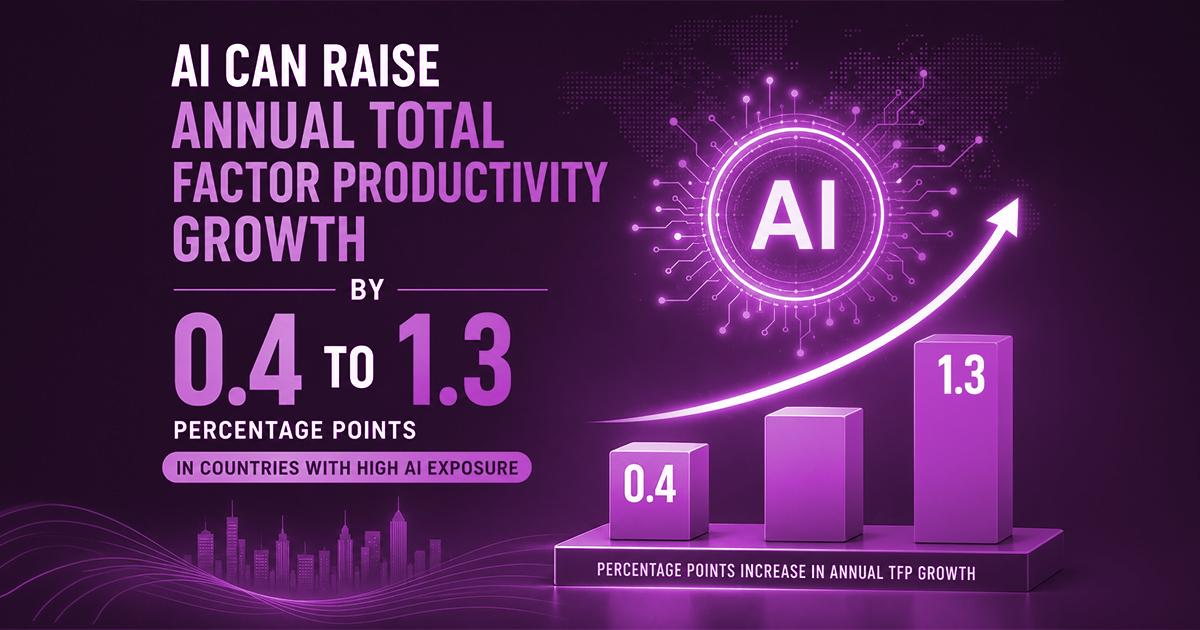
As AI becomes more deeply integrated into business operations, competition is increasingly shifting from scale alone to intelligence, speed, and adaptability. Organizations are using AI to improve existing processes and also to strengthen decision-making, identify new opportunities, and respond more quickly to changing customer expectations. Instead of viewing AI as a standalone technology investment, many businesses are treating it as a capability that supports long-term competitiveness.
As organizations continue to refine these capabilities, leadership and business leadership conferences are increasingly examining how AI is reshaping competitive strategy across industries. Let us look at some of the ways AI is changing the competitive landscape:
1. Accelerating Strategic Decision-Making
Business decisions increasingly rely on timely, data-driven insights. AI enables organizations to analyze large volumes of information more efficiently, helping leaders identify emerging trends, evaluate potential risks, and respond to market changes with greater confidence.
2. Delivering More Personalized Customer Experiences
AI allows organizations to better understand customer preferences, anticipate changing needs, and deliver more relevant products, services, and interactions. These capabilities are helping businesses strengthen customer engagement while building long-term relationships.
3. Improving Operational Agility
Organizations are using AI to optimize workflows, improve resource allocation, strengthen supply chain visibility, and automate repetitive activities. This enables businesses to respond more effectively to operational challenges while improving overall efficiency.
4. Supporting Continuous Innovation
AI is helping organizations accelerate research, product development, and business experimentation by identifying patterns, generating insights, and enabling faster evaluation of new ideas. This allows businesses to shorten innovation cycles while responding more effectively to evolving market demands.
5. Strengthening Competitive Resilience
Markets continue evolving as customer expectations, technologies, and business models change. AI enables organizations to continuously monitor performance, identify emerging opportunities, and adapt strategies more quickly, helping them remain competitive in dynamic business environments.
Source
Leading Organizations In The AI Economy
The growing influence of AI extends beyond technology adoption. It is reshaping how organizations define leadership, develop business strategies, and prepare for long-term growth. As intelligent systems become more deeply embedded across business functions, leaders will increasingly be expected to balance innovation with governance, encourage collaboration between people and AI, and build organizations capable of adapting to continuous technological change.
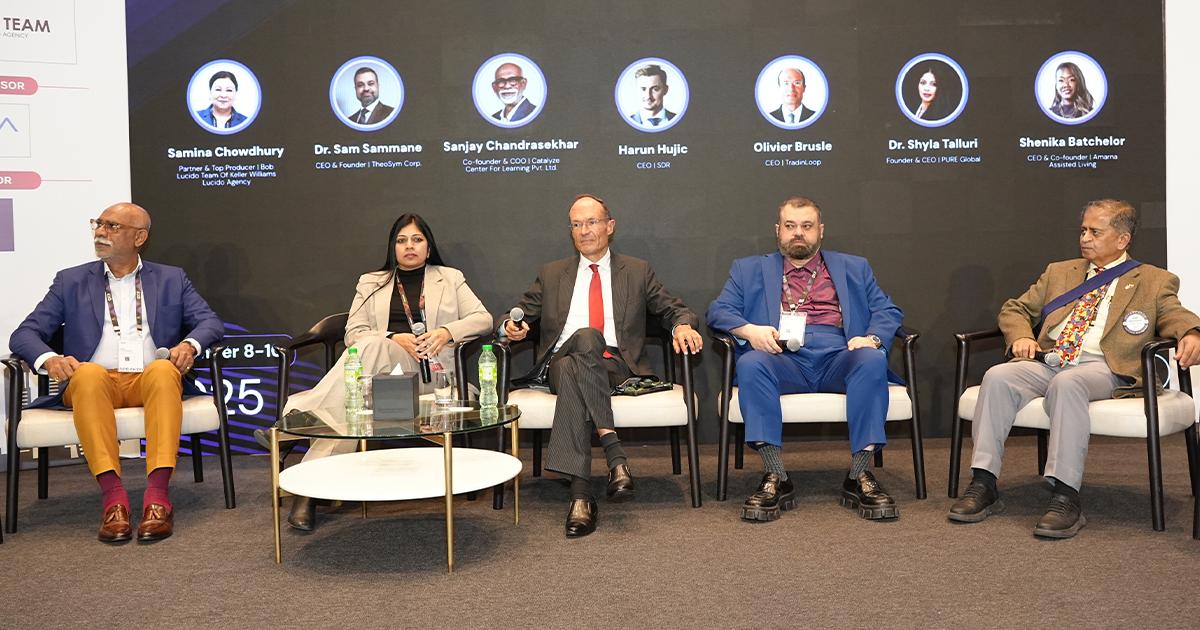
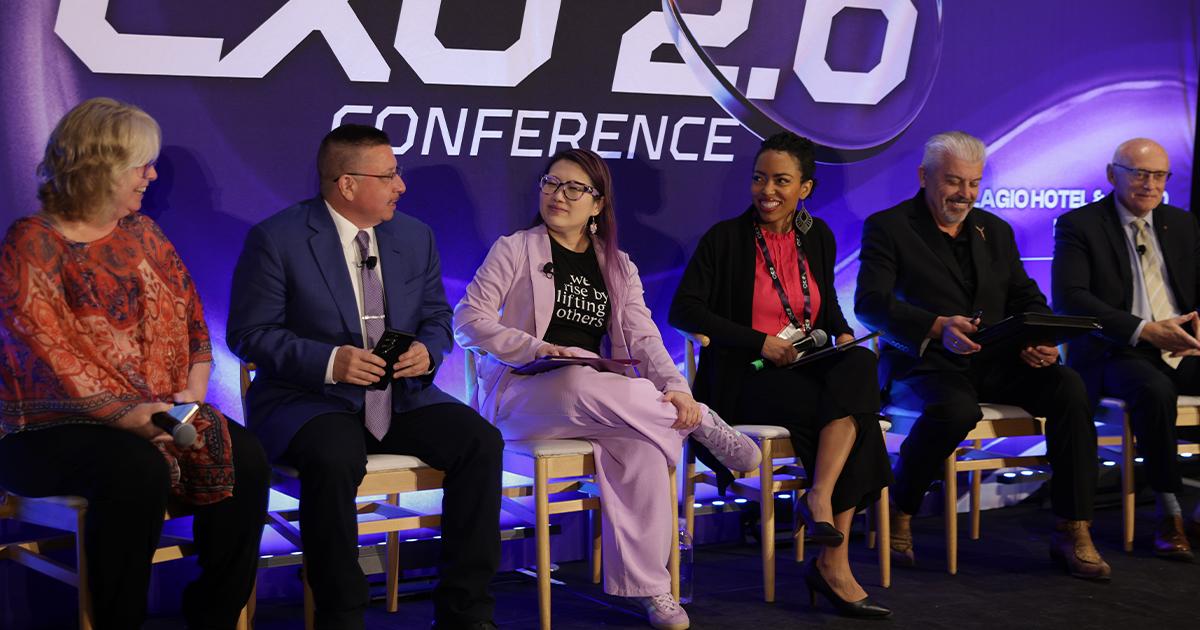
For business executives, entrepreneurs, technology leaders, and decision-makers interested in exploring these developments further, the Dubai Edition of the CXO 2.0 Conference , taking place from March 29–31, 2027, will provide a platform to examine leadership, artificial intelligence, digital transformation, and the future of business alongside experts from across industries. If you would like to participate in these discussions, you can register for the upcoming leadership conference on the official conference website.
FAQs
1. Why is AI becoming a competitive advantage?
- AI helps organizations analyze information more effectively, improve decision-making, enhance customer experiences, optimize operations, and respond more quickly to changing market conditions.
2. How can leaders prepare their organizations for AI adoption?
- Leaders can strengthen AI readiness by aligning AI initiatives with business strategy, investing in data quality, developing workforce capabilities, establishing responsible AI governance, and encouraging continuous innovation.
3. Can I apply to become a speaker at the conference?
- Yes. Business leaders, entrepreneurs, researchers, and industry experts with valuable insights can apply for consideration for speaking opportunities through the official conference website.
4. Why is responsible AI governance important?
- Responsible AI governance helps organizations improve transparency, manage risks, comply with regulations, and ensure AI systems are used ethically and responsibly.
5. Is the CXO 2.0 Conference suitable for leaders from different industries?
- Yes, the three-day leadership conference welcomes professionals from a wide range of industries, creating opportunities to exchange cross-sector insights, best practices, and leadership experiences.