Organizations often invest considerable time in developing business strategies, adopting new technologies, and improving operational efficiency. Yet one leadership factor frequently receives less attention, despite its influence on nearly every aspect of organizational performance, especially employee trust. It affects how people respond to change, collaborate with colleagues, communicate concerns, and remain committed during periods of uncertainty.
As workplaces continue to evolve through digital transformation, hybrid work, and changing employee expectations, trust is becoming an increasingly important leadership capability rather than simply a cultural aspiration. These changing priorities are also shaping conversations among business leaders at global business leadership conferences in 2026, where they gather to examine the leadership approaches that drive resilient, high-performing organizations.
TL;DR: Key Takeaways
- Highlights why employee trust is becoming a strategic leadership priority.
- Explores how trust influences organizational performance and resilience.
- Examines the leadership behaviors that strengthen workplace trust.
- Explains why trust becomes increasingly important during organizational change.
- Discusses how executives can build trust as a long-term leadership capability.
The Leadership Advantage Of Building Trust
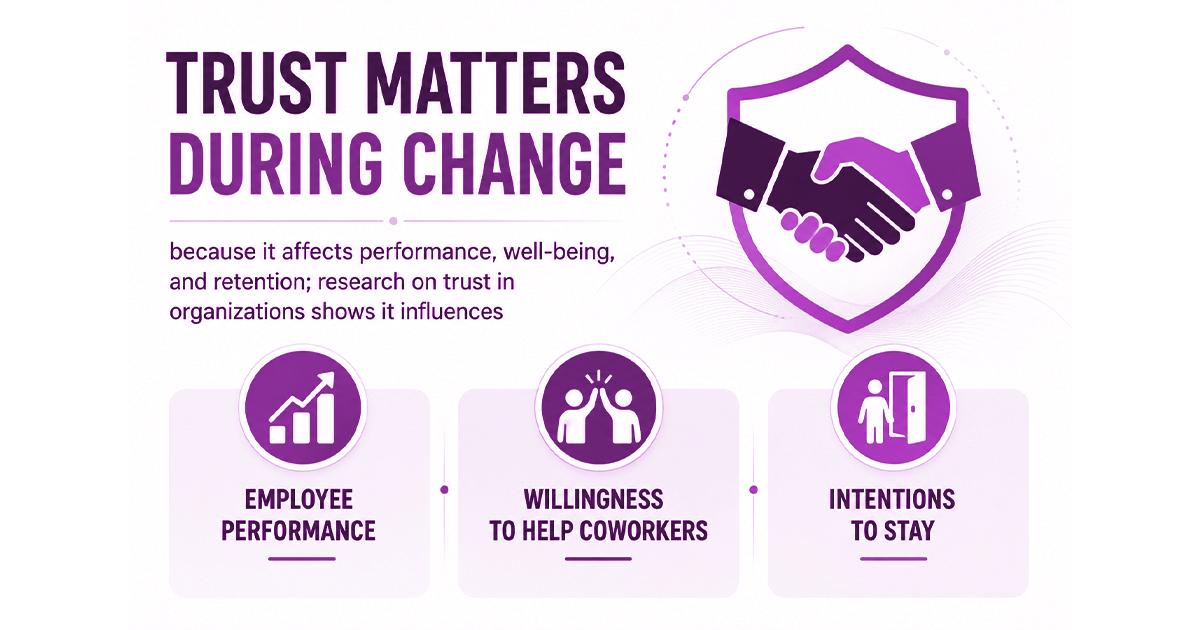
Organizations are experiencing continuous change driven by technological advancement, evolving workforce expectations, and new ways of working. These developments have heightened the importance of trust, as employees often look to leadership for stability, clarity, and direction during periods of uncertainty. Strong workplace relationships can also contribute to better collaboration, innovation, and long-term organizational resilience. Let us look at some of the factors contributing to the growing focus on employee trust:
- Changing Workforce Expectations: Employees increasingly value transparency, authenticity, and open communication from organizational leaders. Trust often grows when expectations and organizational priorities are communicated clearly.
- Flexible Work Environments: Hybrid and remote work models have changed how employees interact with leaders and colleagues. Building trust now requires greater intentionality in communication and relationship-building.
- Organizational Agility: Business transformation frequently depends on employees embracing change. Trust can encourage greater confidence during periods of transition and organizational evolution.
- Workplace Well-Being: Employees are placing greater importance on psychological safety, inclusion, and supportive leadership. Trust often creates an environment where individuals feel comfortable contributing ideas and raising concerns.
Source
The Building Blocks Of Employee Trust
Have you wondered how leaders can create an environment where trust develops naturally over time? Well, building employee trust rarely depends on a single initiative. It is often shaped through consistent leadership behaviors, everyday interactions, and organizational practices that demonstrate fairness and accountability.
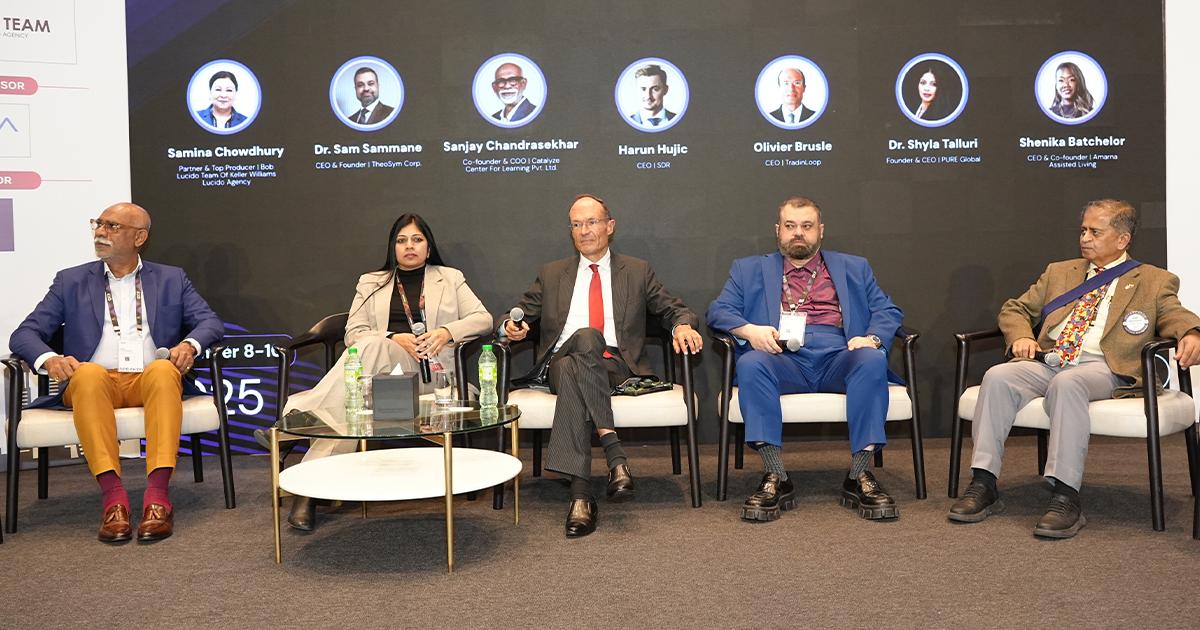
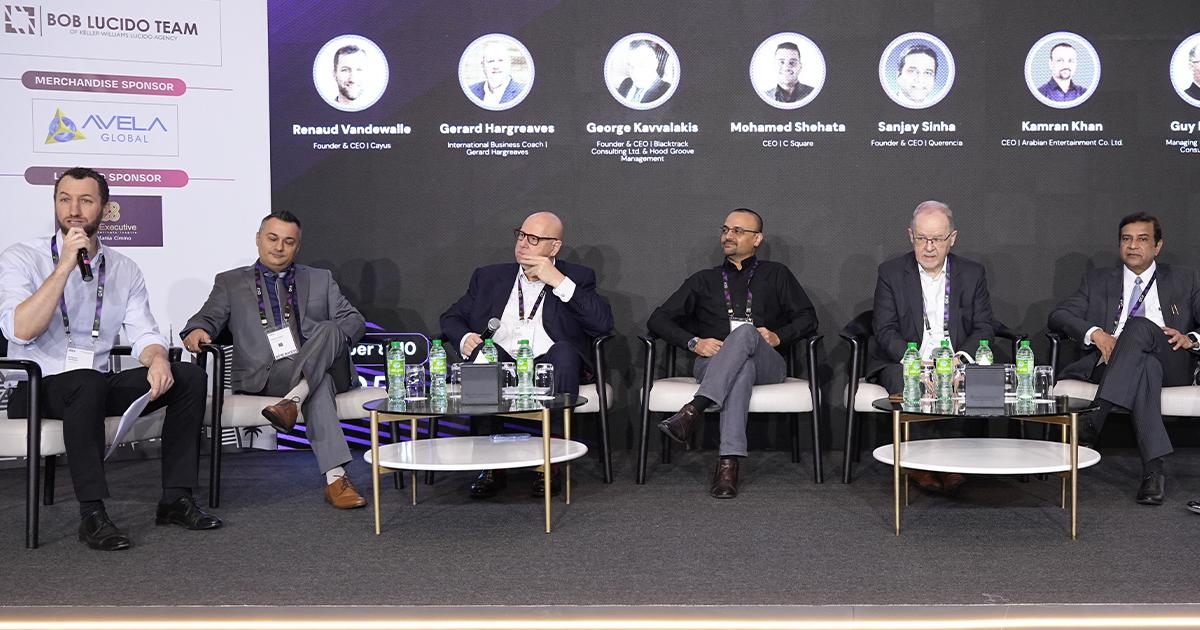
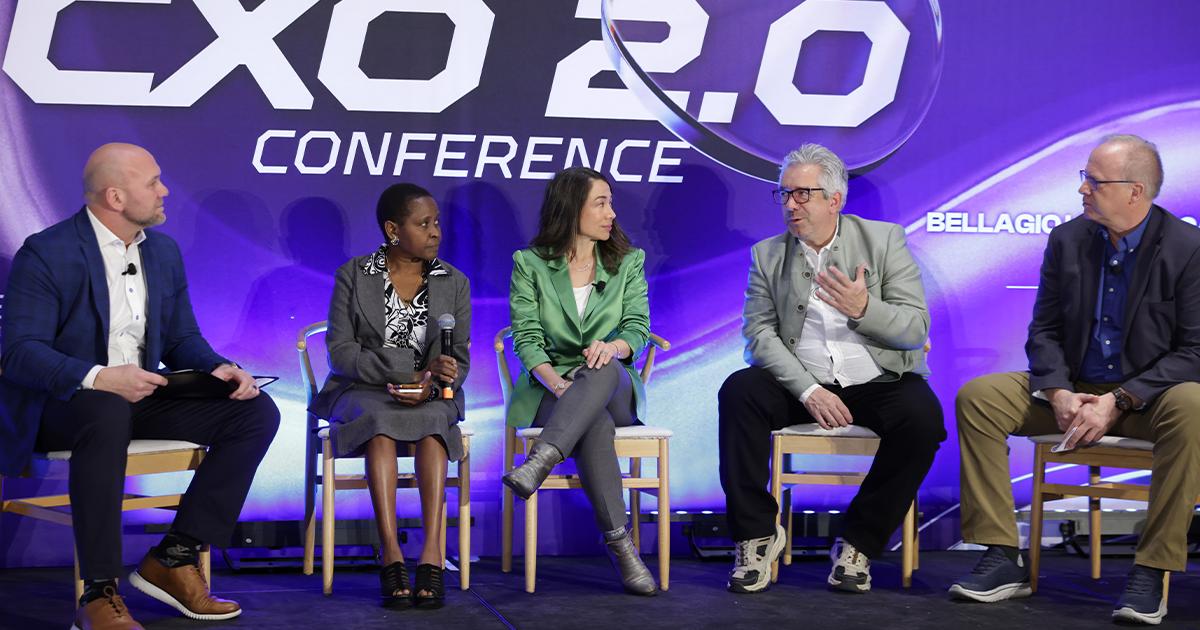
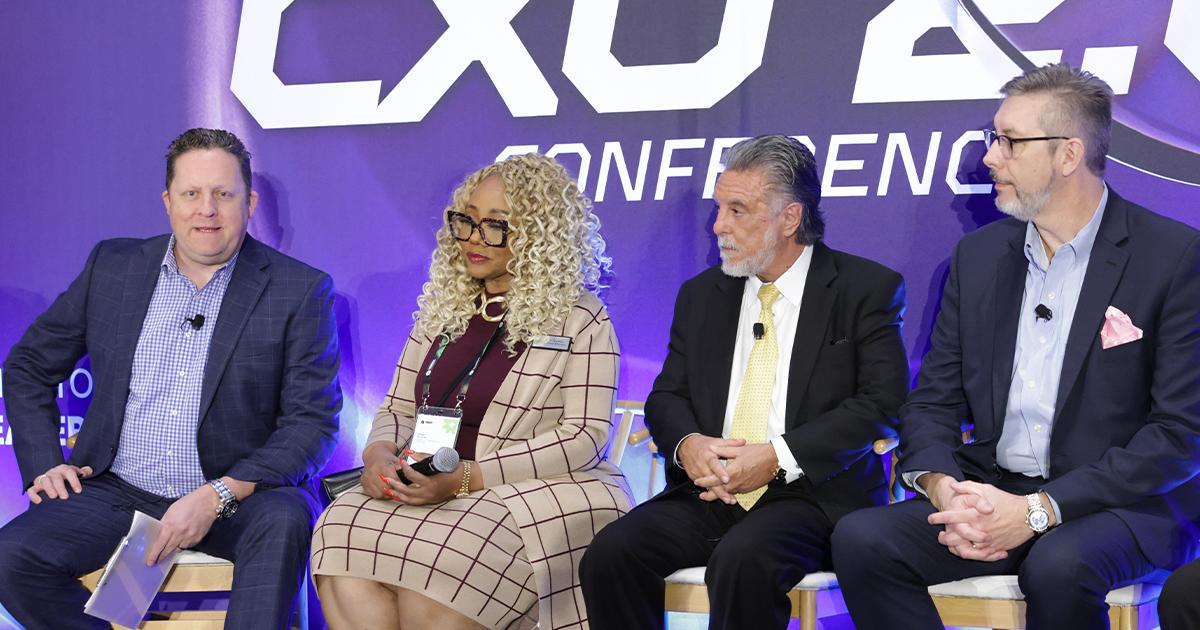
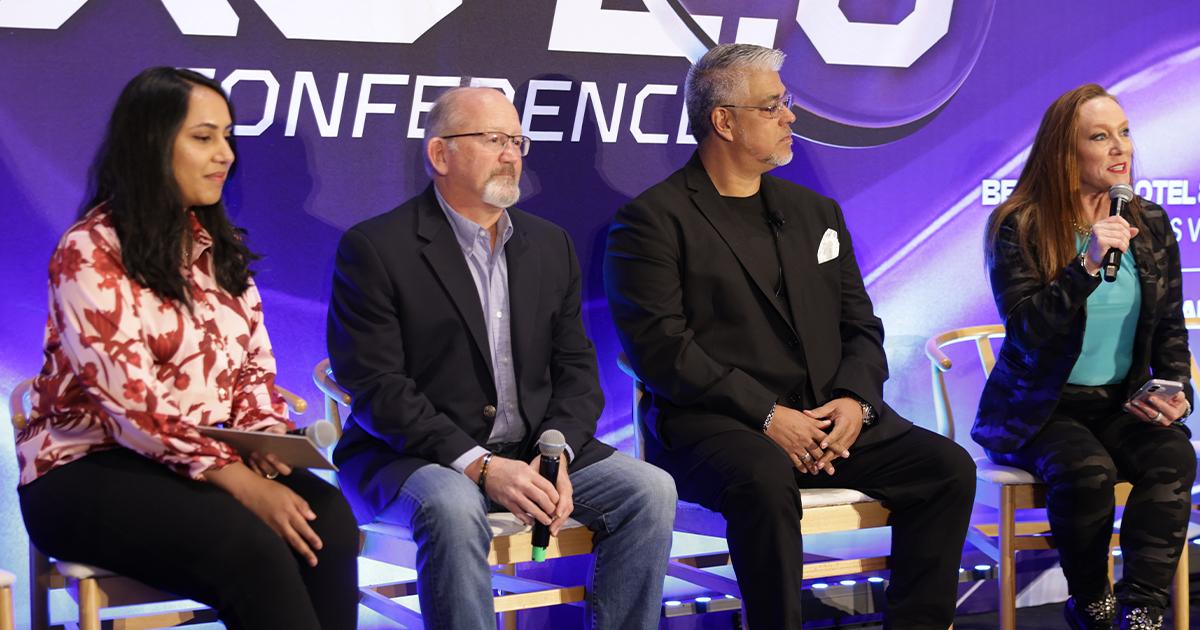
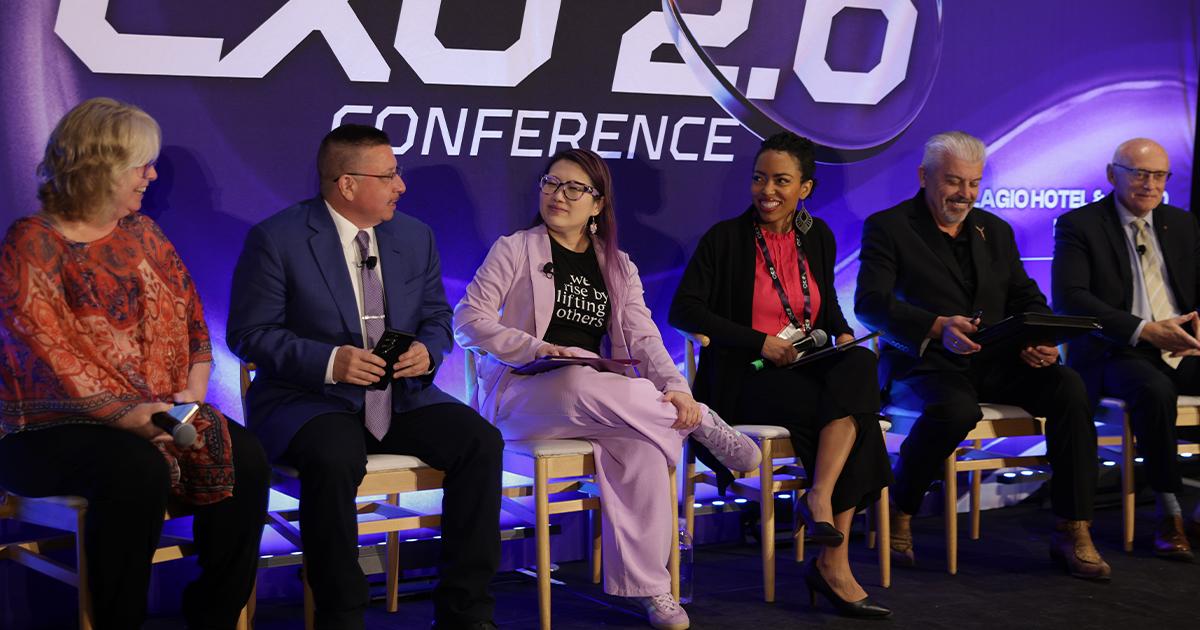
These priorities are also receiving increasing attention at leadership summits such as the Dubai Edition of the CXO 2.0 Conference. Although trust develops over time, several leadership approaches can help create a stronger foundation for it across the workplace, which are as follows:
- Transparent Communication
Employees generally appreciate leaders who communicate openly about organizational priorities, business challenges, and important decisions. Greater transparency can reduce uncertainty and strengthen confidence.
- Consistency Between Words & Actions
Trust often develops when leadership decisions consistently reflect stated values and organizational commitments. Employees tend to respond positively when actions reinforce expectations.
- Recognition & Appreciation
Acknowledging employee contributions can strengthen workplace relationships and reinforce a culture of respect. Consistent recognition also helps employees feel valued for their efforts.
- Active Listening
Leaders who encourage employee feedback and genuinely consider different perspectives can strengthen workplace relationships. Listening also creates opportunities to identify concerns before they become larger organizational challenges.
- Accountability At Every Level
Organizations often strengthen trust when accountability applies consistently across leadership teams and employees alike. Fairness in decision-making can reinforce organizational credibility.
Common Barriers To Employee Trust
Trust can take years to develop but may be affected quickly when leadership practices become inconsistent. Recognizing potential obstacles allows organizations to strengthen workplace relationships before larger issues emerge.
According to PwC's Global Workforce Hopes and Fears Survey, trust in leadership remains closely connected to employee engagement, adaptability, and workplace satisfaction. Workers who trust their direct managers the most are 72% more motivated. These findings highlight why organizations continue investing in leadership practices that strengthen employee confidence.
Some common challenges include:
- Limited communication during organizational change.
- Inconsistent leadership decisions.
- Lack of employee involvement in important initiatives.
- Unclear expectations and responsibilities.
- Limited opportunities for professional growth.
- Perceived inequities in recognition or advancement.
Addressing these challenges often requires continuous dialogue, leadership accountability, and organizational commitment rather than isolated initiatives.
Creating A Workplace Built On Trust
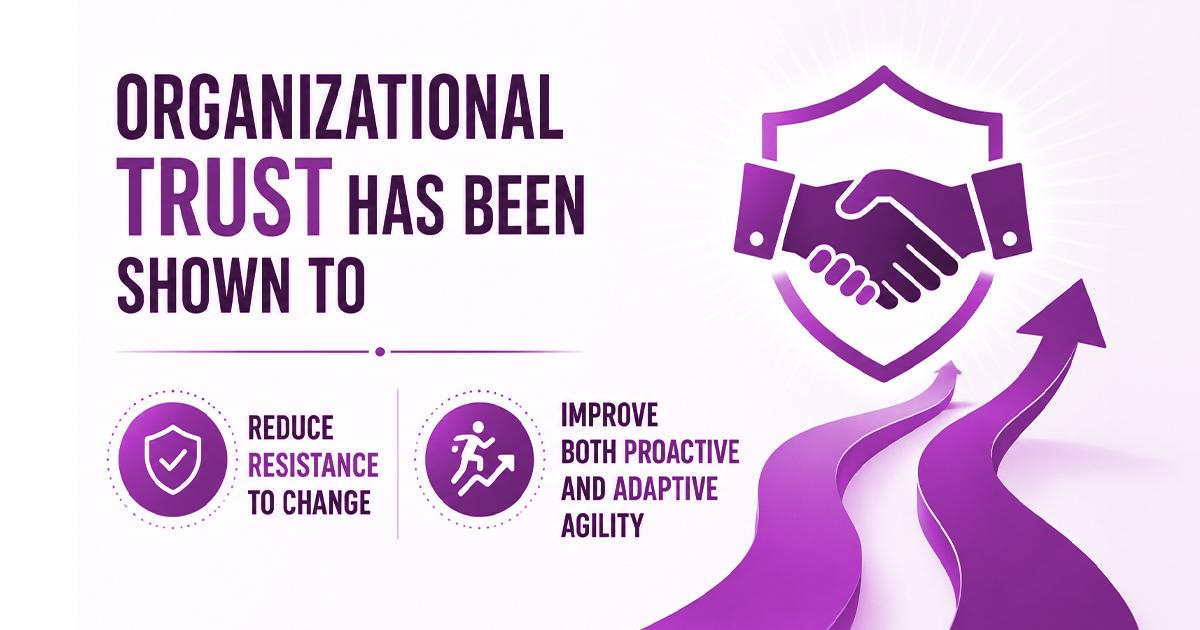
Imagine an organization navigating a major business transformation. New technologies are being introduced, processes are evolving, and employees are expected to adapt quickly. Some teams embrace the changes with confidence, while others hesitate because they are uncertain about the direction and decisions being made. What often influences these different responses is the level of trust employees have in their leadership.
Organizations that cultivate trust often encourage open communication, shared accountability, and continuous learning across all levels of the business. Employees are generally more likely to contribute ideas, collaborate effectively, and adapt to change when they feel supported by leadership and confident in the organization's direction. Growing recognition of trust as a driver of organizational resilience has also made it an increasingly important focus at executive conferences and leadership summits.
Source
Building A Legacy Of Trustworthy Leadership
Employee trust is likely to remain one of the defining leadership priorities as organizations continue adapting to new business realities. Technology, workplace flexibility, and evolving employee expectations may reshape how organizations operate, but trust will continue influencing how effectively leaders inspire collaboration, navigate change, and support long-term success. These leadership priorities continue to influence executive agendas at global business leadership conferences and events, including the Dubai Edition of the CXO 2.0 Conference, scheduled for December 6-8, 2027.
Business leaders, executives, entrepreneurs, and organizational decision-makers interested in strengthening workplace leadership can attend the upcoming edition to explore emerging leadership practices, exchange ideas with industry peers, and gain valuable perspectives on building resilient organizations. Individuals interested in participating can purchase a pass directly through the official conference website.
FAQs
Q. Why is employee trust important for organizations?
A. Employee trust can support stronger collaboration, workplace engagement, and organizational stability by encouraging positive relationships between leaders and employees.
Q. How does workplace culture influence employee trust?
A. Workplace culture can shape how employees experience communication, fairness, collaboration, and leadership, all of which contribute to long-term trust.
Q. What business conferences are happening in Dubai in 2026?
A. Dubai is expected to host numerous business leadership conferences in 2026, bringing together business leaders, entrepreneurs, innovators, and decision-makers. Among them is the Dubai Edition of the CXO 2.0 Conference, which will explore emerging leadership priorities, business strategy, workplace transformation, and organizational growth.
Q. Can employee trust influence organizational change?
A. Organizations often experience smoother transitions when employees have confidence in leadership and understand the purpose behind change initiatives.
Q. How can I register for the CXO 2.0 Conference?
A. Individuals interested in attending the upcoming Dubai Edition of the CXO 2.0 Conference can purchase a pass directly through the official conference website, where information about participation options and event details is available.